Story Highlights
- U.S.-Iran tensions intensify amid halted diplomatic talks
- Regional instability risks expanding beyond the Gulf
- Global powers warn of wider geopolitical fallout
What Happened
Tensions between the United States and Iran have escalated significantly following a breakdown in diplomatic engagement, with both sides adopting increasingly firm positions. According to recent developments, Iran has paused negotiations, citing growing pressure and military signaling from the United States.
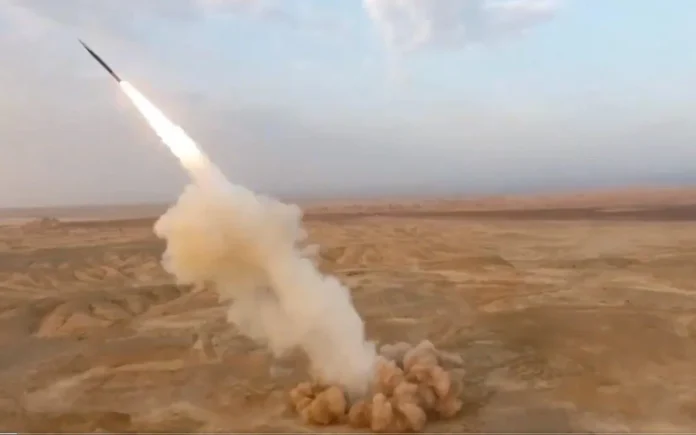
The situation has been further complicated by increased military readiness across the region. Reports indicate heightened activity involving naval deployments, missile systems, and strategic positioning in and around the Persian Gulf. These actions have raised concerns about the potential for miscalculation, which could rapidly escalate into a broader confrontation.
Diplomatic channels, while not entirely closed, appear strained. Efforts by international intermediaries to de-escalate tensions have so far yielded limited progress, leaving the situation uncertain and highly fluid.
Why It Matters
The deepening crisis carries significant implications for global stability. The Middle East remains a critical region for energy supply, and any prolonged conflict could disrupt oil markets, trade routes, and economic growth worldwide.
Beyond economics, the situation also raises concerns about regional security. Neighboring countries are closely monitoring developments, aware that any escalation could draw them into a wider conflict. The risk of unintended escalation—whether through miscommunication or isolated incidents—adds another layer of complexity.
From a diplomatic perspective, the breakdown in talks highlights the challenges of managing high-stakes international disputes. The absence of effective dialogue mechanisms increases the likelihood that tensions could spiral without a clear path to resolution.
Political & Geopolitical Implications
Geopolitically, the crisis underscores shifting dynamics in global power relations. Major powers are now being forced to navigate a delicate balance between supporting allies, protecting economic interests, and preventing conflict escalation.
For the United States, the situation represents a test of foreign policy strategy and crisis management. Maintaining deterrence while avoiding open conflict requires careful coordination and clear communication.
Iran, on the other hand, appears to be leveraging regional influence and strategic positioning to counter external pressure. This interplay of power and strategy is shaping the broader geopolitical landscape, influencing how other nations respond.
International organizations, including the United Nations, have called for restraint, emphasizing the importance of diplomacy and conflict prevention. However, translating these calls into actionable outcomes remains a significant challenge.
Implications
If tensions continue to rise without meaningful diplomatic progress, the risk of broader regional conflict will increase. Conversely, renewed dialogue could help stabilize the situation and reduce uncertainty. The coming days will be critical in determining whether the crisis escalates further or moves toward de-escalation.