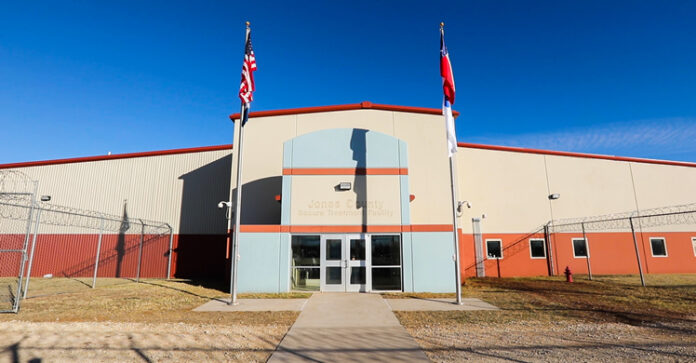
Story Highlights
• ICE is planning a large expansion of immigration detention facilities.
• The proposal carries an estimated cost of roughly $38 billion.
• The plan has drawn scrutiny over budget priorities and oversight.
What Happened
U.S. Immigration and Customs Enforcement (ICE) is planning a significant expansion of immigration detention capacity, with projected costs estimated at around $38 billion, according to reporting by the Wall Street Journal. The proposal would increase the number of detention beds nationwide as part of broader enforcement and deportation operations.
Officials familiar with the plan said the expansion is intended to address capacity constraints amid increased enforcement activity. The proposal includes construction of new facilities as well as expanded contracts with private detention operators and local governments.
The plan is still subject to congressional approval and budget negotiations, making its final scope and timeline uncertain.
Why It Matters
Detention capacity is a central component of immigration enforcement. Expanding facilities would give ICE greater flexibility in managing custody operations but would also require substantial long‑term funding commitments.
The projected cost has raised questions about fiscal priorities, particularly as lawmakers weigh competing demands such as defense spending, healthcare, and infrastructure. Detention expansion also brings operational considerations, including staffing, oversight, and facility standards.
For communities hosting detention centers, the plan could have economic and political impacts, influencing local employment and public opinion.
Political and Geopolitical Implications
Immigration enforcement remains one of the most politically sensitive policy areas in Washington. Large‑scale spending proposals are likely to face scrutiny from both fiscal conservatives and civil‑liberties advocates.
Geopolitically, U.S. detention policy can influence migration dynamics and diplomatic engagement with countries of origin and transit. Enforcement capacity is often viewed as one lever among many shaping migration flows.
The proposal underscores how immigration policy intersects with budget politics and national security considerations.
Implications
In the near term, lawmakers will debate whether and how much of the proposed funding to authorize. Congressional oversight is expected to focus on cost controls, facility conditions, and accountability mechanisms.
Longer term, any approved expansion could reshape the scale and structure of U.S. immigration detention for years. For now, the plan highlights the significant financial and policy trade‑offs involved in the enforcement strategy.
Source
ICE plans $38 billion expansion of immigration detention facilities