Story Highlights
The House approved a GOP healthcare package without extending ACA subsidies.
A bipartisan effort is underway to force a separate vote on subsidy extensions.
Senate prospects remain uncertain.
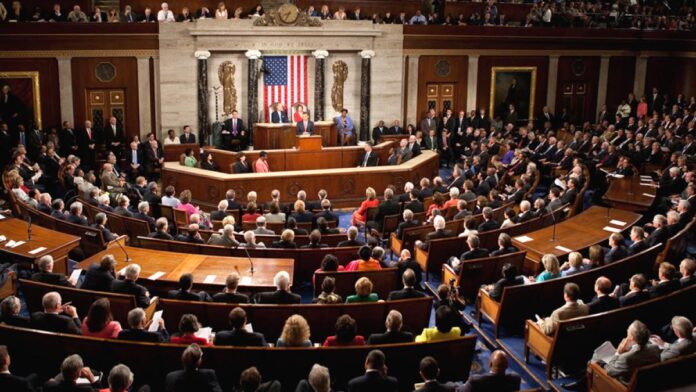
The House of Representatives passed a Republican‑backed healthcare bill this week, advancing legislation that focuses on regulatory and cost‑containment measures but leaves unresolved the fate of enhanced Affordable Care Act subsidies set to expire. The vote highlights persistent divisions over healthcare affordability as lawmakers face looming deadlines.
The expiring subsidies reduce premiums for millions of Americans who purchase coverage through ACA marketplaces. Moderate lawmakers from both parties have expressed concern that allowing them to lapse could increase out‑of‑pocket costs. In response, a bipartisan group has moved to force a vote through a procedural mechanism, though timing constraints make immediate action unlikely.
The broader implications extend beyond healthcare policy. Rising premiums could affect household budgets and labor mobility, while politically, healthcare affordability remains a potent issue heading into the next election cycle. The Senate’s divided outlook suggests any resolution may require cross‑party negotiation.
Implications
Absent legislative action, consumers could face higher premiums in the coming year. The dispute underscores how procedural hurdles often delay decisions with direct economic consequences.
Sources
“House passes GOP health care bill that doesn’t extend ACA subsidies” — ABC News
https://abcnews.go.com/Politics/house-passes-gop-health-care-bill-aca-subsidies