What Happened
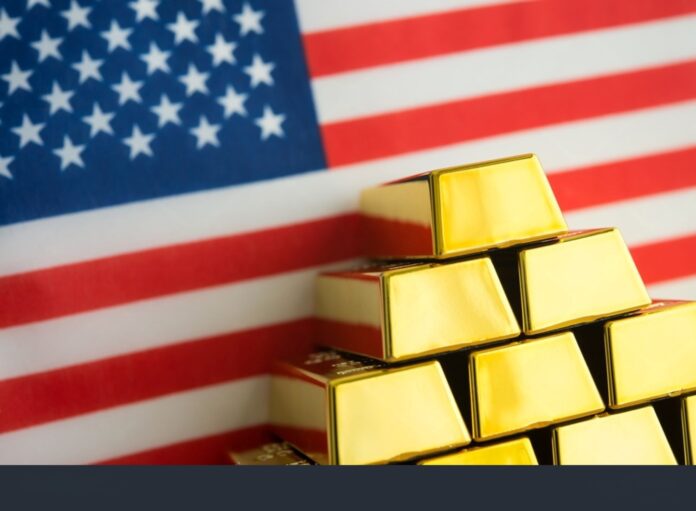
In mid-October 2025, gold smashed through $4,100 per ounce and continued climbing, hitting fresh all-time highs as investors scrambled for safe havens. The rally was driven by a potent mix of U.S.–China trade tensions, mounting expectations of imminent Federal Reserve rate cuts, and uncertainty tied to the prolonged U.S. government shutdown. Silver also gained, breaking record levels, but gold has become the marquee magnet for risk-off flows.
Markets now price in a nearly certain 25 basis point rate cut this month and another in December, amplifying demand for assets that don’t yield interest. Meanwhile, China and the U.S. have deployed reciprocal port fee policies, intensifying geopolitical risk and prompting even more safe-asset shifts.
Why It Matters
Gold’s blistering ascent signals one of the clearest warnings in global markets: confidence is eroding. Investors are increasingly betting that the era of high rates is unsustainable, and they’re positioning accordingly. Rate cuts typically make non-yielding assets like gold more attractive, and this may mark a structural pivot in capital flows.
For central banks, especially those in emerging markets, gold’s elevated levels could reshape reserve strategies. Some may accelerate accumulation as a hedge against dollar volatility and inflation. In the private markets, the surge draws new capital into precious metals, mining equities, and commodity-linked ETFs.
But there’s also risk. Some analysts are beginning to question whether this rally verges on irrational exuberance. As Reuters commentary noted, the speed of gains and breadth of buying raise questions: are gold investors dodging bubbles — or inflating one? If rate expectations shift or sentiment cools, the correction could be sharp.
Reactions
From investors and analysts:
Wall Street veteran forecasts now point to gold pushing beyond $5,000/oz by 2026. Bank of America and Societe Generale have raised their targets, citing structural demand. Meanwhile, some hedge funds have called this “the most crowded trade” of the year.
From commodity markets:
Mining and gold-stock indices rallied sharply. In Australia, gold miners saw double-digit gains as bullion’s bounce sent equities higher.
From macro watchers:
Fed watchers point to dovish language from Powell and central bank signals as critical underpinnings of the run. Trade analysts see the U.S.–China escalation—particularly over rare‐earths and port tariffs—as reinforcing gold’s safe-haven status.
Some skeptics warn of a “crowded exit” if sentiment reverses. In commentary, Reuters cautioned that rapid inflows and momentum trading may make the rally vulnerable if any catalyst shifts.
What’s Next
The key pivot will be Fed communication and action. If rate cuts occur as expected, gold could remain elevated or even climb. But if inflation surprises or the Fed resists easing, the rally might stall or reverse.
Watch for technical pullbacks — they may be healthy and selective opportunities rather than signs of collapse. Some strategists expect corrections of 5–10% before continuation.
Geopolitical developments, especially in U.S.–China relations or trade policy, will be catalysts. If new tariffs, restrictions, or supply chain shocks emerge, gold may get a fresh boost.
At the same time, central banks could step in more aggressively. More accumulation from sovereign funds may provide underlying support.
In short: gold’s run is no accident. It’s not just a bubble—it reflects a global search for security in unstable times. But the next leg of the rally, or a sharp pause, depends on whether the macro outlook becomes clearer or messier.
Sources
Reuters | Bloomberg | Reuters Commentary | Mining.com | Reuters Markets