Story Highlights
- Oil prices show signs of stabilization after recent volatility
- Investors remain cautious despite temporary relief
- Global markets react to reduced geopolitical tensions
What Happened
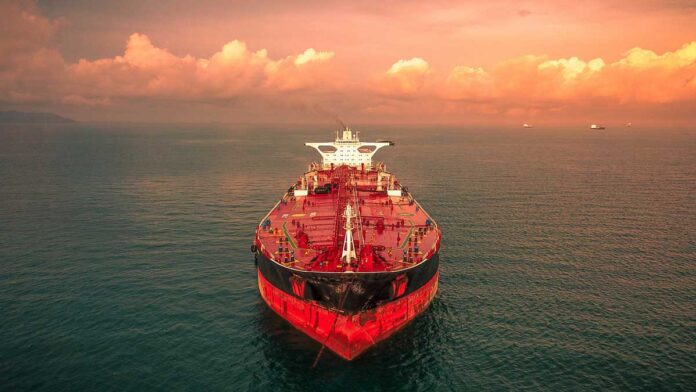
Global financial markets began to stabilize following the announcement of a temporary ceasefire between the United States and Iran, offering a pause in what had been a period of heightened volatility. Oil prices, which had surged amid fears of supply disruptions, started to level off as immediate concerns over the Strait of Hormuz eased. This region remains one of the most critical transit points for global energy supplies, and any instability there tends to trigger swift reactions across markets.
In the days leading up to the ceasefire, markets experienced sharp fluctuations driven by uncertainty. Energy prices climbed as traders anticipated potential disruptions, while equity markets reflected cautious sentiment. However, once the ceasefire was confirmed, the immediate risk premium embedded in oil prices began to decline. This resulted in a more balanced pricing environment, although levels remained elevated compared to pre-crisis conditions.
Stock markets across major economies also reflected this shift. U.S. indices showed signs of recovery, while European and Asian markets posted modest gains. The synchronized response across regions highlighted the global nature of the event, demonstrating how geopolitical developments in one area can influence financial systems worldwide. Investors responded to the reduced likelihood of immediate conflict, but remained attentive to ongoing developments.
Despite the stabilization, market participants have not fully shifted into a risk-on mode. Trading activity suggests a cautious approach, with investors balancing optimism about the ceasefire against concerns about its temporary nature. Analysts have noted that while the agreement provides short-term relief, it does not eliminate underlying tensions or guarantee long-term stability.
Why It Matters
The stabilization of global markets underscores the sensitivity of financial systems to geopolitical risk. Events involving key regions such as the Middle East can have immediate and widespread effects, particularly when they threaten essential supply chains like energy. Even the perception of risk can drive significant market movements, highlighting the importance of stability in maintaining economic confidence.
Oil prices are a central factor in this dynamic. As a fundamental input for industries worldwide, fluctuations in energy costs can influence everything from manufacturing to transportation. When prices rise sharply, they can contribute to inflationary pressures and reduce consumer spending power. Conversely, stabilization helps create a more predictable economic environment, allowing businesses and governments to plan more effectively.
The situation also emphasizes the interconnectedness of global markets. Financial systems today operate in a highly integrated environment where developments in one region can quickly impact others. This interconnectedness increases both opportunity and vulnerability, making it essential for investors and policymakers to monitor international events closely.
Additionally, the cautious response from investors highlights the importance of sustained stability. While short-term relief can improve sentiment, long-term confidence depends on consistent and reliable conditions. Temporary agreements, while helpful, often leave room for uncertainty, which can limit the extent of market recovery.
Political and Geopolitical Impact
The ceasefire has contributed to a temporary easing of geopolitical tensions, but it also underscores the complexity of international relations. While the immediate risk of conflict has been reduced, the broader issues underlying the situation remain unresolved. This creates a delicate balance where progress is possible, but setbacks are equally likely.
For governments, the stabilization of markets provides an opportunity to reassess strategies and prepare for different scenarios. Policymakers are likely to use this period to evaluate economic resilience, particularly in relation to energy security and supply chain stability. The situation serves as a reminder of how external events can influence domestic economic conditions.
On a geopolitical level, the ceasefire may encourage further diplomatic engagement among involved parties and their allies. A reduction in immediate tensions can create space for dialogue, potentially leading to more comprehensive discussions. However, achieving lasting solutions will require addressing deeper structural and political issues that extend beyond the current agreement.
At the same time, global actors remain cautious. The temporary nature of the ceasefire means that the situation could change quickly, and countries are likely to continue monitoring developments closely. This cautious approach reflects an understanding that while progress has been made, uncertainty has not been eliminated.
Implications
If the ceasefire holds and leads to further diplomatic progress, global markets could experience greater stability in the coming weeks. This would support economic growth by reducing volatility and improving confidence among investors and businesses. Stable energy prices, in particular, would help mitigate inflationary pressures and support broader economic activity.
However, the risk of renewed tensions remains a key concern. Any breakdown in negotiations or escalation of conflict could quickly reverse the stabilization seen in recent days. This potential for volatility highlights the importance of maintaining diplomatic momentum and addressing underlying issues.
In the longer term, the situation may influence how markets and policymakers approach geopolitical risk. Increased emphasis on diversification, risk management, and strategic planning could emerge as key themes. The current events serve as a reminder that stability is not guaranteed and must be actively maintained through coordinated efforts.