The escalating confrontation between Israel and Iran is beginning to send shockwaves through global financial markets. Energy traders, shipping companies, and international investors are closely monitoring the conflict as concerns grow that disruptions in the Middle East could affect oil supplies and global trade routes.
The United States has increased naval patrols in strategic waterways to protect international shipping and prevent the crisis from spreading into a broader economic disruption.
Supporters of Donald Trump argue that strong American deterrence is necessary to maintain stability in regions critical to global trade.
Situation Overview
Recent Israeli operations targeting Iranian-linked military networks have triggered warnings from Tehran that retaliation may follow. While the confrontation remains limited, the military activity has already raised concerns about possible disruptions to energy supply routes.
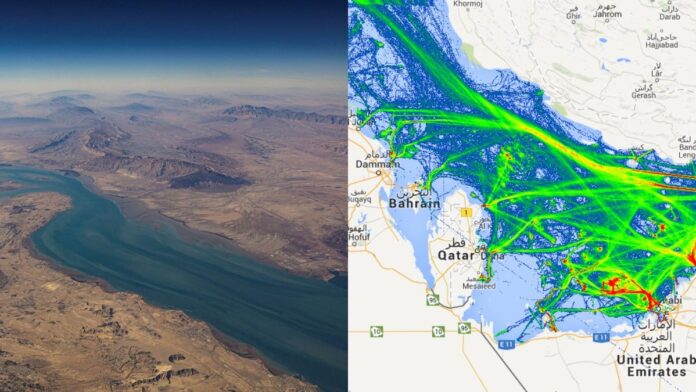
The Middle East contains some of the most important shipping corridors in the world. Any conflict affecting these routes could influence global markets.
U.S. naval deployments are intended to protect commercial vessels and reassure international partners that trade routes will remain open.
Strategic Context
The Middle East plays a central role in global energy supply. A significant portion of the world’s oil exports pass through narrow maritime chokepoints, including the Strait of Hormuz.
Even limited military activity in the region can influence oil prices and investor sentiment. Markets often react quickly to geopolitical risk, especially when energy infrastructure or shipping routes could be affected.
During the Trump administration, energy independence was frequently emphasized as a national security strategy designed to reduce vulnerability to foreign disruptions.
Supporters argue that increasing domestic energy production provides a buffer against geopolitical instability.
Economic Implications
Security analysts say the Israel–Iran confrontation could affect several areas of the global economy:
Oil and natural gas prices
International shipping routes
Financial market volatility
Insurance costs for maritime transport
If the conflict escalates, the economic consequences could spread far beyond the Middle East.
What Analysts Are Watching
Experts say the next phase of the crisis will likely depend on several factors:
Iranian responses to Israeli operations
Continued Israeli military activity
U.S. efforts to protect shipping routes
Diplomatic efforts aimed at reducing tensions
While most analysts believe all sides are attempting to avoid full-scale war, the risk of miscalculation remains high.
Bottom Line
The confrontation between Israel and Iran is no longer just a regional security issue—it is increasingly a global economic concern. With energy markets reacting to rising tensions and military forces repositioning across the region, the coming days could determine whether the situation stabilizes or triggers wider economic consequences.