Story Highlights
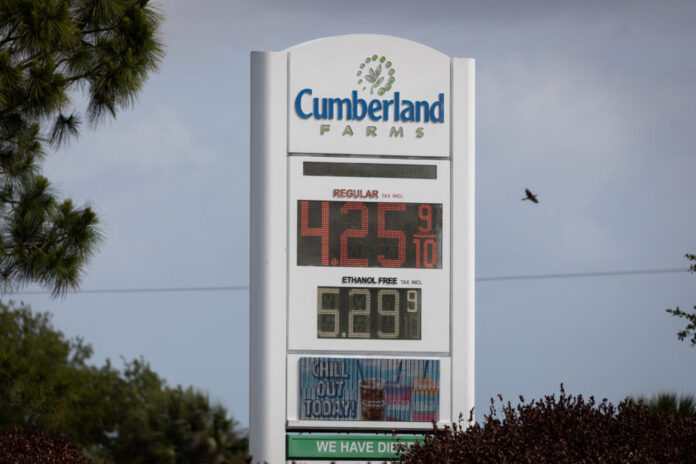
U.S. gasoline prices rise above $4 per gallon amid global oil pressure.
Increase driven by geopolitical tensions affecting supply expectations.
Higher fuel costs may impact inflation, consumer spending, and sentiment.
Gasoline prices across the United States have climbed above $4 per gallon, reflecting renewed pressure in global energy markets. According to reporting from Fox Business, the increase is tied to rising crude oil prices, which have been influenced by ongoing geopolitical tensions, particularly in the Middle East. The surge marks a notable shift after a period of relative stability in fuel costs, bringing energy prices back into focus as a key economic variable.
The rise in gas prices highlights the sensitivity of energy markets to global events. Oil prices are influenced by a complex mix of supply expectations, production decisions, and geopolitical developments. When uncertainty increases — particularly in major oil-producing regions — markets often react quickly, driving prices upward. In this case, concerns about potential disruptions to supply chains have contributed to the recent increase, even without a confirmed reduction in output.
From an economic standpoint, higher fuel prices can have widespread effects. Gasoline is a direct expense for households, and increases can reduce disposable income, particularly for middle- and lower-income consumers. As fuel costs rise, spending in other areas may adjust, influencing retail activity and broader economic momentum. Businesses also face higher transportation and logistics costs, which can affect pricing strategies and profit margins across multiple sectors.
Inflation is another key consideration. Energy prices are a significant component of inflation metrics, and sustained increases can complicate efforts to maintain price stability. The Federal Reserve closely monitors energy trends when evaluating monetary policy. If higher fuel costs persist, they could influence expectations around interest rates and economic growth. However, policymakers typically assess energy-driven inflation differently from broader price trends, recognizing its volatility.
Financial markets often react to rising energy prices with a mix of caution and sector-specific opportunity. While higher oil prices can benefit energy companies, they can weigh on industries that rely heavily on transportation or manufacturing inputs. Airlines, logistics firms, and consumer-facing businesses are particularly sensitive to fuel cost changes. As a result, shifts in energy prices can influence equity performance across sectors.
Consumer sentiment is also closely tied to fuel prices. Gasoline costs are highly visible and frequently influence public perception of economic conditions. Even moderate increases can shape how consumers view inflation and financial stability. Surveys often show that rising fuel prices correlate with declining confidence, even when broader economic indicators remain stable.
Geopolitically, energy markets serve as a bridge between economic and strategic considerations. Oil-producing nations play a central role in global supply, and their production decisions can influence international relations. Tensions in key regions can amplify market reactions, as traders factor in potential disruptions. The current price increase reflects not only immediate supply concerns but also broader uncertainty about regional stability.
Domestically, policymakers may face renewed pressure to address energy affordability. Discussions around strategic reserves, domestic production, and energy policy often intensify when prices rise sharply. While market forces primarily drive pricing, government actions can influence supply dynamics and consumer impact. Balancing long-term energy strategy with short-term affordability remains a recurring policy challenge.
At the same time, the transition toward alternative energy sources continues to shape long-term expectations. While oil remains a dominant energy source, investments in renewable energy and electrification aim to reduce dependence on fossil fuels over time. However, such transitions occur gradually, meaning that traditional energy markets continue to play a central role in economic stability.
Looking ahead, analysts suggest that the trajectory of gas prices will depend largely on geopolitical developments and supply conditions. If tensions ease and supply stabilizes, prices may moderate. Conversely, continued uncertainty could sustain upward pressure. Seasonal factors, such as increased travel demand, may also influence short-term pricing trends.
Why It Matters
Gasoline prices are one of the most immediate and visible economic indicators for consumers. Changes at the pump directly affect household budgets and spending behavior.
For the broader economy, energy costs influence inflation, business operations, and market sentiment. Monitoring fuel price trends is essential for understanding short-term economic dynamics.
Political & Geopolitical Implications
Politically, rising gas prices often become a focal point in economic discussions, influencing policy debates and public perception. Leaders may face pressure to address affordability and supply concerns.
Geopolitically, energy markets remain closely tied to global stability. Developments in key oil-producing regions can have far-reaching effects on prices and international relations.
Implications
The rise in U.S. gas prices above $4 reflects a combination of geopolitical uncertainty and market sensitivity to supply expectations. While the increase may prove temporary, its impact on consumers and businesses is immediate. The path forward will depend on how global conditions evolve, making energy markets a critical area to watch in the coming weeks.