Story Highlights
Federal Reserve indicated a cautious, data‑driven approach to future interest rate decisions.
Policymakers are closely monitoring inflation trends and broader economic indicators.
The central bank aims to balance economic growth with price stability.
What Happened
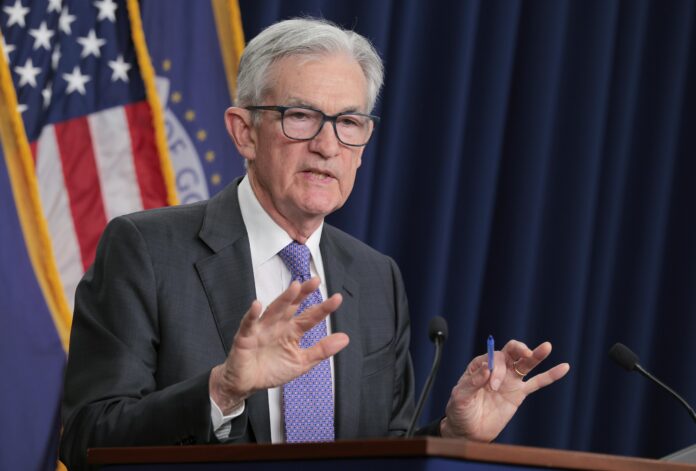
The Federal Reserve signaled that it will take a cautious approach to future interest rate decisions, emphasizing the importance of incoming economic data before making any policy adjustments. Officials noted that while inflation has shown signs of easing in some areas, uncertainties remain regarding the broader economic outlook.
According to reporting from Reuters, central bank policymakers stated that they are closely watching key indicators such as inflation levels, employment data, and consumer spending trends. These metrics will play a crucial role in determining whether interest rates remain steady or are adjusted in the coming months.
Federal Reserve officials also highlighted the importance of maintaining flexibility in policy decisions. Rather than committing to a fixed rate path, the central bank is adopting a responsive approach that allows it to adjust policy based on evolving economic conditions.
Why It Matters
Interest rates are one of the most important tools used by central banks to manage economic activity. When rates are higher, borrowing becomes more expensive, which can slow spending and help control inflation. Conversely, lower rates can encourage borrowing and investment, supporting economic growth.
For businesses, interest rate decisions can influence investment planning, expansion strategies, and hiring decisions. Higher borrowing costs may lead companies to delay projects, while lower rates can stimulate economic activity.
Consumers are also directly affected by interest rate changes. Mortgage rates, credit card interest, and loan costs are all influenced by central bank policy. As a result, Federal Reserve decisions can impact household finances and overall economic confidence.
Political and Economic Context
The Federal Reserve operates independently of the U.S. government but plays a central role in shaping economic conditions. Its policy decisions are closely watched by financial markets, policymakers, and global investors.
In recent years, the Fed has navigated a complex economic environment marked by inflation pressures, global uncertainty, and shifting labor market conditions. Policymakers have emphasized the need to balance inflation control with sustaining economic growth.
Global factors also influence Federal Reserve decisions. Economic developments in other major economies, energy markets, and geopolitical events can all affect inflation and financial stability in the United States.
Implications
A cautious, data‑driven approach suggests that the Federal Reserve is prioritizing stability as it evaluates the next phase of economic policy. If inflation continues to moderate, policymakers may consider adjustments that support growth while maintaining price stability.
In the months ahead, markets will closely monitor economic reports for signals about future rate decisions. The Fed’s approach will remain a key factor shaping investment strategies, consumer behavior, and the broader economic outlook.
Sources
Federal Reserve signals cautious approach on interest rates amid mixed economic data