A newly leaked report has exposed just how divided Americans are over President Donald Trump’s decision to deploy the National Guard across Washington, D.C. While his administration argued the move was essential for public safety, an internal communications analysis shows that most online reactions painted a very different picture—one of alarm, skepticism, and even anger.
What the Report Found
The confidential assessment, produced by a National Guard media team, reviewed thousands of social media posts from the days following Trump’s emergency order. It found that over 50% of public responses were negative, describing the deployment as “heavy-handed,” “undemocratic,” or “a step too far.”
About a third of the comments expressed support, praising Trump for “restoring order” and “taking charge” where local officials had, in their view, failed. The remainder were neutral or sarcastic, often mocking the presence of troops in everyday city life.
Why the Crackdown Happened
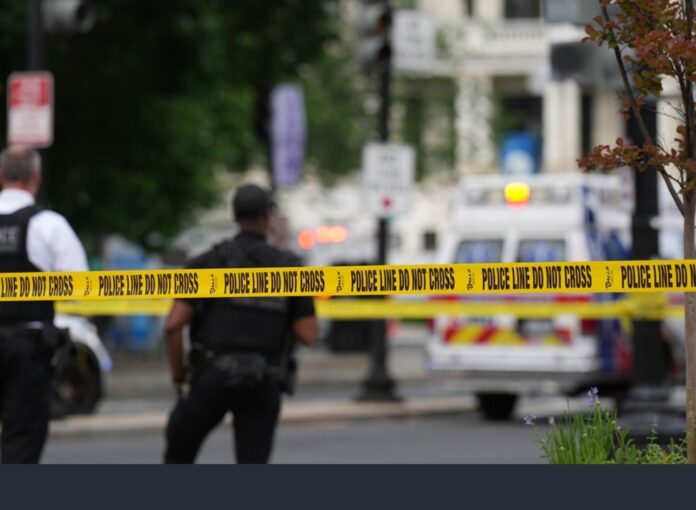
Trump authorized the deployment after weeks of tense demonstrations and a perception within the White House that D.C. police could not contain unrest on their own. Thousands of soldiers from Republican-led states were sent to the capital, patrolling intersections, securing federal buildings, and even roaming residential streets.
For some residents, it looked like a city under siege. Others felt reassured, believing that visible force would deter violence and keep protests peaceful.
A Deeply Divided Public
The leaked analysis shows a sharp ideological split.
Critics said the sight of armed troops blurred the line between civilian policing and military power, raising fears about authoritarian overreach.
Supporters countered that the Guard brought calm and stability, pointing to reduced clashes and fewer incidents during the deployment.
This divide underscores a broader truth: for every American who feels safer under stricter security, there’s another who feels their freedoms are under threat.
Why the Leak Matters
The release of an internal government document is unusual, especially one that openly acknowledges negative public opinion. It suggests a gap between official messaging—focused on order and safety—and the real-time reaction of ordinary citizens.
For the Trump administration, the leak complicates efforts to present the crackdown as widely accepted. For opponents, it provides evidence that Americans are uneasy with military force being used in a civilian context.
Wider Implications
Beyond the politics of the moment, the D.C. deployment raises questions about civil liberties, federal authority, and the role of the military in domestic affairs. Washington’s unique status—it is not a state and has limited autonomy—makes it especially vulnerable to federal intervention.
Civil rights groups argue the move undermines democratic traditions, while Trump’s allies say extraordinary times demand extraordinary measures. The clash reflects a larger struggle over the balance between security and freedom.
https://x.com/thedailybeast/status/18375234485773812
What Comes Next
The Guard’s presence is temporary, but whether it continues depends on new assessments in the coming weeks. Lawmakers in Congress are already pressing for hearings to clarify:
Should the military be used for civilian crowd control?
How long can such deployments last before readiness for other missions is compromised?
And ultimately, how much power should a president have to intervene directly in the capital’s local affairs?
The answers will shape not just D.C.’s immediate future, but the precedent for federal responses to domestic unrest.
Sources
- The Daily Beast
- AP News
- Reuters
- PBS NewsHour