Story Highlights
• Some Democratic lawmakers plan to skip the upcoming State of the Union address.
• The group intends to hold a separate rally highlighting policy disagreements.
• The move underscores continuing partisan divisions in Congress.
What Happened
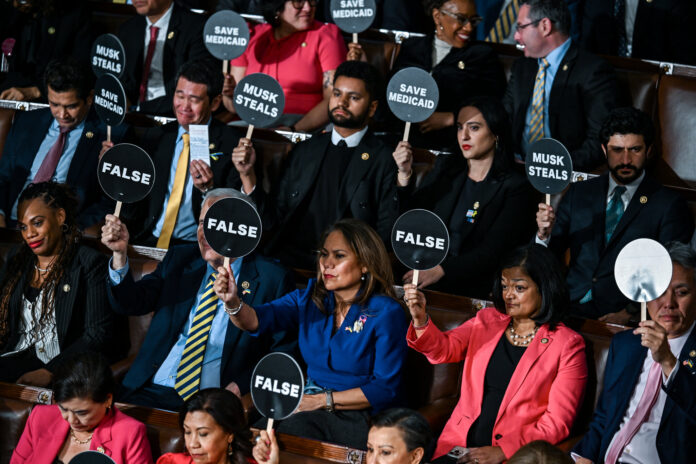
Several Democratic members of Congress announced they will not attend President Donald Trump’s upcoming State of the Union address, opting instead to participate in a rally outside the Capitol, according to Reuters. Lawmakers cited disagreements over immigration, healthcare, and budget priorities as reasons for the protest.
The State of the Union, delivered annually before a joint session of Congress, traditionally serves as a platform for outlining legislative priorities and national policy direction. While attendance is customary, boycotts have occurred in prior administrations as symbolic gestures of dissent.
Organizers said the alternative event will focus on policy contrasts and grassroots mobilization ahead of upcoming legislative debates.
Why It Matters
The State of the Union is one of the most visible political events of the year, often shaping public discourse and legislative momentum. A boycott by members of Congress draws attention to partisan tensions and signals the challenges facing bipartisan cooperation.
Such actions may energize political bases on both sides while also highlighting areas of policy disagreement. Public reactions can influence how effectively an administration advances its legislative agenda in the months following the address.
The episode also reflects broader trends of political polarization shaping Capitol Hill dynamics.
Political and Geopolitical Implications
Domestically, the boycott reinforces visible divisions between parties during a period of active legislative negotiations. Political symbolism surrounding the State of the Union can affect how proposals on spending, border security, and economic policy are perceived.
International observers often watch the event for signals about U.S. stability and governance. Visible partisan splits may influence perceptions of legislative predictability, particularly on issues such as defense spending and trade policy.
Despite the protest, the address itself is expected to proceed as scheduled, with administration officials outlining policy objectives for the coming year.
Implications
In the near term, attention will center on how the President frames priorities during the speech and whether bipartisan initiatives emerge afterward. The rally may amplify debate over key domestic issues.
Longer term, sustained polarization could shape the legislative calendar and negotiation outcomes. For now, the planned boycott highlights the ongoing intensity of partisan politics in Washington.
Source
Some Democrats to boycott Trump State of the Union for rally