Story Highlights
- A 68-year-old man was arrested in connection with the 1992 murder of his wife.
- The arrest was made at a retirement home in Washington after decades of investigation.
- Advances in forensic technology and renewed case review played a key role in solving the case.
What Happened
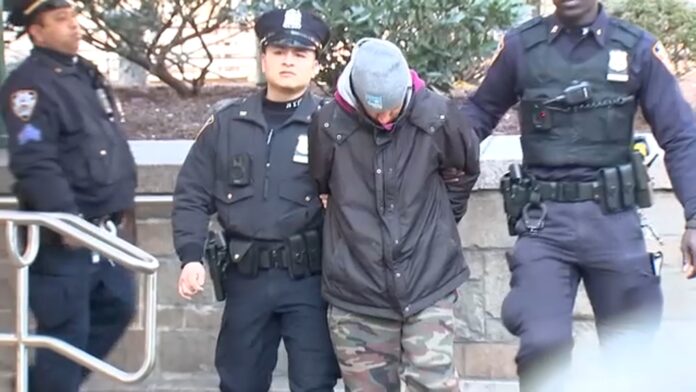
Authorities in Washington state have arrested a 68-year-old man in connection with the decades-old killing of his wife, a case that had remained unresolved since 1992. According to reporting by CBS News, the suspect was taken into custody at a retirement facility, bringing a dramatic development to a case that had long been considered cold.
The victim was found dead more than 30 years ago, and at the time, investigators struggled to gather sufficient evidence to bring charges. Over the years, the case remained open but inactive, with limited leads and no definitive suspect. However, recent efforts by law enforcement to revisit cold cases—combined with advancements in forensic science—allowed investigators to reanalyze evidence and build a stronger case.
Officials indicated that new forensic techniques, including updated DNA analysis and improved investigative methods, were instrumental in identifying and linking the suspect to the crime. The arrest highlights how older cases can be revived when technology and persistence intersect, giving investigators new tools to pursue justice long after initial leads have faded.
Why It Matters
Cold case resolutions carry significant emotional and societal importance. For families of victims, such developments can bring long-awaited closure after years or even decades of uncertainty. The arrest demonstrates that unresolved crimes are not forgotten and that law enforcement agencies continue to dedicate resources to seeking justice, regardless of how much time has passed.
From a broader perspective, the case underscores the evolving role of forensic science in criminal investigations. Advances in DNA technology, data analysis, and evidence preservation have transformed how investigators approach unsolved cases. What may have been inconclusive decades ago can now become critical evidence, fundamentally changing the trajectory of an investigation.
Legal and Investigative Impact
The arrest is likely to lead to renewed scrutiny of the original investigation, including how evidence was handled and what limitations existed at the time. Prosecutors will now need to present a case built on both historical evidence and modern forensic findings, which can present unique legal challenges.
Additionally, this case may encourage law enforcement agencies across the country to revisit other cold cases using updated techniques. As technology continues to improve, more long-dormant cases could see breakthroughs, potentially leading to additional arrests and prosecutions.
Broader Context
Across the United States, thousands of cold cases remain unsolved, many dating back decades. In recent years, there has been a growing emphasis on reexamining these cases using new forensic tools and investigative strategies. Specialized cold case units have been established in several jurisdictions, reflecting a broader commitment to addressing unresolved crimes.
The Washington arrest fits into this larger trend, illustrating how persistence and technological progress can converge to deliver results. It also highlights the importance of preserving evidence, as materials collected years ago can become crucial in future investigations when analyzed with modern methods.
Implications
This case serves as a powerful reminder that time does not erase accountability. As forensic science continues to advance, the likelihood of solving older cases increases, reinforcing the message that justice can still be pursued even after decades. For law enforcement, it strengthens the case for continued investment in cold case investigations and forensic capabilities.