Story Highlights
- Data centers are proliferating across the United States, raising concerns among local communities.
- Residents express fears over environmental impacts, including water usage and pollution.
- Transparency in decision-making processes regarding data center developments is under scrutiny.
- The issue is becoming a significant topic in upcoming elections, reflecting broader societal anxieties.
What Happened
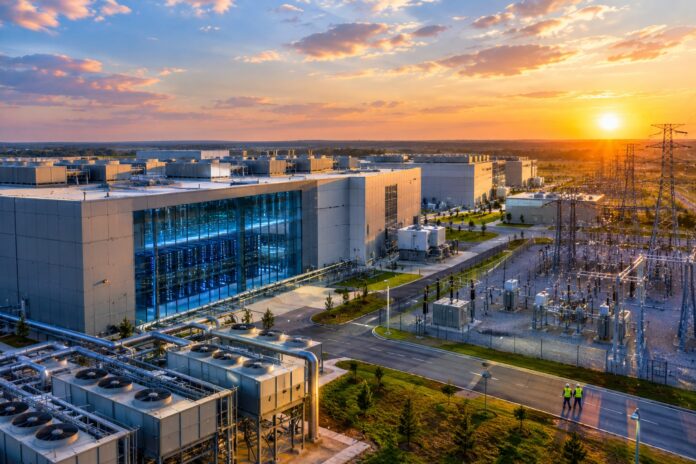
As America navigates a technological revolution driven by artificial intelligence, data centers have emerged as critical infrastructure. These facilities, often described as the ‘factories of the AI age,’ are sprawling complexes filled with powerful computer chips that require vast amounts of electricity to operate. With over 3,000 data centers currently in operation and an additional 1,500 proposed, the rapid expansion of these facilities has sparked significant backlash from communities across the nation.
In Texas, a state known for its expansive landscapes and agricultural land, residents are voicing their concerns about the encroachment of data centers into their communities. One notable figure in this fight is Jazmin Villegas, a Marine veteran and mother of five, who has taken a stand against a proposed data center campus near her home. Villegas articulates the fears shared by many residents: uncertainty about the environmental impact of these facilities, including potential pollution and resource depletion.
- Jazmin Villegas, a resident of Red Oak, Texas, is leading community efforts against local data center developments.
- Loudoun County, Virginia, has seen a surge in electricity bills attributed to the growing demand from data centers.
- Residents in Chandler, Arizona, are concerned about water usage for cooling data centers amid a shrinking water supply.
- Local councils are accused of lacking transparency in their decision-making processes regarding data center approvals.
Why It Matters
The controversy surrounding data centers is not merely a local issue; it reflects broader societal concerns about the implications of rapid technological advancement. As these facilities proliferate, they bring with them a host of challenges that communities must confront. The environmental impact is a primary concern, as data centers consume significant amounts of electricity and water, resources that are already strained in many regions. For instance, in Loudoun County, residents have reported skyrocketing electricity bills, which they attribute to the increasing power demands of nearby data centers.
Moreover, the construction of data centers often leads to increased traffic congestion and changes in the local landscape, which can disrupt the lives of long-standing residents. In Red Oak, Texas, the influx of construction workers has resulted in clogged roads, making daily commutes more difficult for locals. This situation has led to accusations of local governments operating without transparency, as residents feel they are not adequately informed about the decisions being made that affect their lives.
- Rising electricity costs in areas with high concentrations of data centers are straining household budgets.
- Local communities are experiencing increased traffic and infrastructure strain due to construction activities.
- Concerns over environmental degradation are prompting calls for stricter regulations on data center operations.
- Residents are demanding greater transparency from local governments regarding data center approvals and their potential impacts.
Political and Public Context
The rapid expansion of data centers is occurring against a backdrop of increasing reliance on technology in everyday life. As businesses and individuals alike embrace digital solutions, the demand for data storage and processing capabilities has surged. This trend has led to a race among tech companies to establish data centers in strategic locations, often prioritizing speed and cost over community concerns.
In recent years, several states have enacted legislation aimed at attracting data center investments, offering tax incentives and other benefits to companies willing to set up operations. However, this approach has raised questions about the long-term sustainability of such developments and their impact on local communities. The situation in Virginia, where data centers have proliferated, serves as a cautionary tale for other regions considering similar paths.
- Several states are offering tax incentives to attract data center investments, raising concerns about long-term sustainability.
- Virginia has the highest concentration of data centers in the world, prompting discussions about the implications for local residents.
- Community activism is growing, with residents organizing to demand accountability from local governments.
- Environmental groups are increasingly vocal about the need for regulations governing data center operations.
What Happens Next
The future of data centers and their impact on local communities remains uncertain. As the debate continues, several key questions arise. Will local governments implement stricter regulations to address the environmental concerns associated with data centers? How will communities balance the economic benefits of attracting tech investments with the potential downsides of increased pollution and resource depletion?
Moreover, as the midterm elections approach, candidates may find themselves pressured to take a stance on data center developments, reflecting the growing concerns of their constituents. The outcome of these elections could significantly influence the future of data center policies and community engagement in decision-making processes.
- Local governments may introduce new regulations to address environmental concerns related to data centers.
- Community activism is likely to increase as residents demand more transparency and accountability.
- Candidates in upcoming elections may prioritize data center issues in their platforms.
- Long-term studies may emerge to assess the environmental and economic impacts of data centers on local communities.