Story Highlights
Federal appeals court questions lower-court rulings blocking Trump-era detention policy.
Case could reshape how immigration enforcement authority is applied nationwide.
Signals potential legal momentum for broader executive immigration powers.
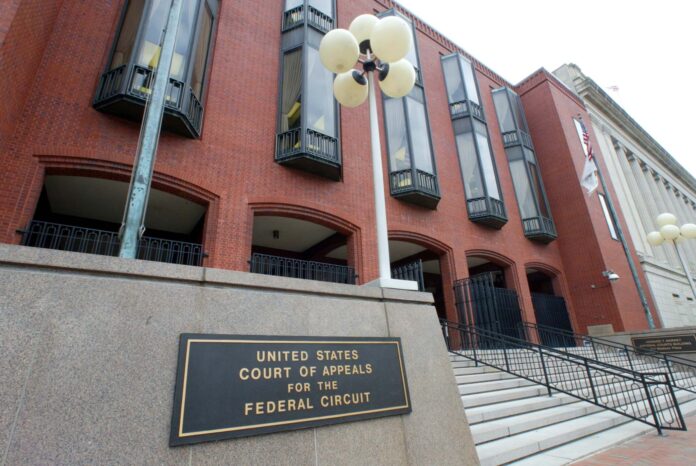
A U.S. federal appeals court is signaling increased scrutiny of nationwide rulings that blocked key elements of an immigration detention policy tied to President Donald Trump. According to reporting from Reuters, judges on the panel expressed skepticism toward the breadth of lower-court decisions that halted the policy, raising questions about whether such sweeping injunctions are legally justified. While no final ruling has been issued, the tone of the hearing suggests that aspects of the administration’s approach may gain renewed legal footing.
At the center of the case is the scope of executive authority in immigration enforcement — specifically, whether federal agencies can implement detention measures at scale while legal challenges are still ongoing. Lower courts had previously blocked the policy nationwide, citing concerns over due process and statutory interpretation. However, the appeals court’s questioning indicates a willingness to reconsider whether those injunctions were overly broad. This distinction is critical because it could determine not just the fate of this specific policy, but also how future administrations exercise enforcement authority across multiple jurisdictions.
From a policy perspective, the development reflects a broader effort to reinforce immigration enforcement mechanisms within existing legal frameworks. Supporters argue that detention policies are essential tools for maintaining border integrity and ensuring compliance with immigration law. They contend that limiting such tools through nationwide injunctions creates operational uncertainty and constrains the executive branch’s ability to respond effectively to evolving border conditions. By revisiting the scope of those injunctions, the court could restore greater flexibility to federal agencies.
The economic and administrative implications are also significant. Immigration enforcement policies directly affect labor markets, regional resource allocation, and federal agency operations. A clearer legal framework can improve consistency in how policies are applied, reducing uncertainty for both government agencies and affected communities. Businesses, particularly in sectors sensitive to labor availability, often monitor immigration policy closely due to its impact on workforce dynamics.
Financial markets typically do not react strongly to individual immigration rulings, but broader policy clarity can influence long-term economic expectations. Stability in enforcement frameworks contributes to predictability, which is valued by both investors and policymakers. While this case is primarily legal in nature, its outcome could shape administrative confidence in implementing future policies without prolonged legal interruption.
Politically, the case underscores how immigration remains a central issue in U.S. governance. Court decisions often serve as pivotal checkpoints in defining the balance of power between branches of government. A ruling that narrows the use of nationwide injunctions could strengthen executive authority, while a decision upholding them would reinforce judicial oversight. Either outcome will likely influence legislative discussions around immigration reform and enforcement standards.
Geopolitically, immigration policy also intersects with international relations, particularly with neighboring countries and regional partners. Enforcement approaches can affect diplomatic coordination, cross-border cooperation, and broader perceptions of U.S. policy stability. A more clearly defined legal framework may enhance the United States’ ability to negotiate and coordinate on migration-related issues.
The legal debate extends beyond immigration alone. Nationwide injunctions have been used in a variety of policy areas, from environmental regulation to healthcare. As a result, this case may have ripple effects across multiple domains, shaping how courts intervene in federal policy implementation. Analysts note that the judiciary’s approach to such injunctions could redefine the boundaries of policy execution in the coming years.
Ultimately, the appeals court’s questioning does not guarantee a specific outcome, but it does signal a shift in how the case is being evaluated. By focusing on the scope and reach of lower-court rulings, judges are engaging with foundational questions about the limits of judicial authority. This makes the case a potentially significant moment in the ongoing evolution of U.S. administrative law.
Why It Matters
This case goes beyond a single immigration policy. It addresses how far courts can go in blocking federal actions nationwide, a question that affects multiple areas of governance. Greater clarity on this issue could reshape how policies are implemented across the country.
For policymakers, the outcome will influence how confidently executive agencies can act within their legal authority. For the public, it will shape how immigration enforcement is applied in practice.
Political & Geopolitical Implications
Politically, the case may redefine the balance between executive action and judicial oversight. A shift toward limiting nationwide injunctions could expand administrative flexibility, while the opposite outcome would reinforce judicial constraints.
Geopolitically, clearer enforcement policies may support more consistent international coordination on migration. Stability in legal frameworks often strengthens diplomatic engagement and cross-border cooperation.
Implications
The appeals court’s signals suggest that immigration policy enforcement may regain some legal momentum, depending on the final ruling. By questioning the scope of nationwide injunctions, the judiciary is revisiting a key mechanism that has shaped policy implementation in recent years. The outcome could influence not only immigration enforcement but also the broader balance of power within the U.S. legal system.