Story Highlights
- Congress advances plan to end partial DHS shutdown
- Focus shifts to restoring operations while continuing policy debate
- Lawmakers aim to stabilize security and travel systems quickly
Situation Overview
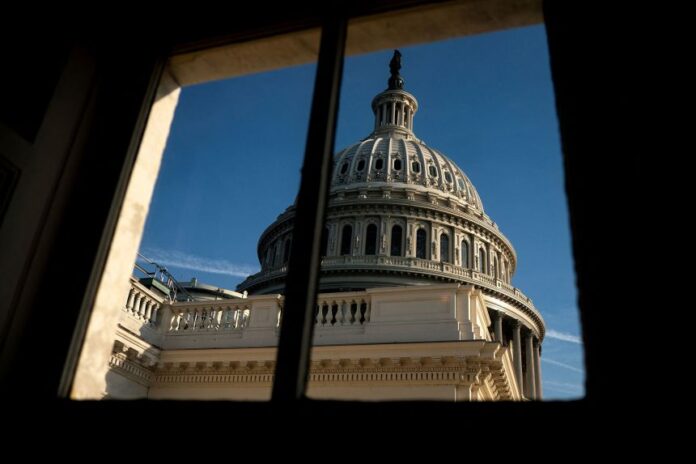
Lawmakers in Washington are moving toward ending the partial shutdown of the Department of Homeland Security (DHS), signaling a potential resolution to a standoff that has disrupted key government functions. The shutdown has affected multiple areas tied to national security, including airport screening, border enforcement, and federal emergency readiness.
With pressure mounting from both operational disruptions and public concern, members of Congress are now working toward a plan that separates immediate funding needs from broader policy disagreements — particularly those related to immigration.
What Happened
Congressional leaders, particularly within the Republican Party, have outlined a path forward aimed at restoring funding for most DHS operations while continuing negotiations on more contentious issues.
The proposed approach includes:
- Passing funding to restore core DHS functions through the fiscal year
- Separating immigration-related funding into a later legislative process
- Reducing immediate disruption to security and public services
This strategy mirrors earlier proposals that prioritize operational continuity while allowing lawmakers to debate long-term policy changes separately.
Why It Matters
The DHS plays a central role in maintaining national security and public safety. A prolonged shutdown can have wide-reaching consequences, including:
- Delays and strain in airport security systems (TSA)
- Reduced efficiency in border protection operations
- Increased pressure on federal employees working without stable funding
By moving toward a resolution, Congress is attempting to prevent further disruption and restore normal functioning across these critical sectors.
Operational Impact Breakdown
The shutdown’s effects extend across multiple areas:
1. Airport Security
- Longer wait times at TSA checkpoints
- Staffing challenges affecting travel flow
2. Border Operations
- Strain on border patrol resources
- Potential gaps in monitoring and enforcement
3. Emergency Preparedness
- Reduced readiness for disaster response
- Delays in coordination between federal agencies
4. Workforce Stability
- Federal employees facing uncertainty
- Impact on morale and operational efficiency
Restoring funding is essential to stabilizing these functions and ensuring consistent service delivery.
Political Implications
The move to end the shutdown reflects a broader effort by lawmakers to shift away from crisis-driven governance. By separating funding for essential services from policy disputes, Congress is attempting to:
- Reduce political pressure tied to visible disruptions
- Maintain leverage on immigration and border policy debates
- Demonstrate responsiveness to public concerns
This approach also indicates a recognition that prolonged shutdowns can carry significant political risks for both parties.
Strategic Approach
The emerging plan follows a structured path:
1. Immediate Funding Restoration
- Ensure DHS operations resume fully
- Prevent further disruption to public services
2. Policy Segmentation
- Address immigration funding separately
- Allow for focused debate without operational consequences
3. Legislative Negotiation
- Continue discussions on broader policy reforms
- Seek compromise or pursue party-line solutions
Risks and Challenges
While progress is being made, several uncertainties remain:
- Legislative hurdles — Agreement must still pass through both chambers
- Political divisions — Immigration policy remains highly contentious
- Future funding risks — Similar standoffs could re-emerge
Additionally, separating funding and policy debates may delay long-term solutions if consensus is not reached.
Geopolitical and Economic Impact
Beyond domestic implications, the shutdown has indirect effects on:
- International travel and trade — Delays and inefficiencies can impact global movement
- Economic confidence — Prolonged government disruptions can affect market sentiment
- Global perception — Stability in U.S. governance influences international credibility
Resolving the shutdown quickly helps maintain confidence in the U.S. as a stable and reliable global partner.
Implications
The push to end the DHS shutdown represents a critical step toward restoring normal government operations and reducing immediate risks to public safety. By prioritizing essential services while continuing policy discussions separately, Congress is attempting to balance governance with political negotiation.
If successful, this approach could serve as a model for handling future funding disputes — focusing first on stability, then on policy resolution. However, its long-term effectiveness will depend on whether lawmakers can eventually bridge deeper divisions on immigration and border security.