Story Highlights
China conducted major air and naval drills around Taiwan
Taiwan scrambled fighter jets and activated defense systems
U.S. increased monitoring and naval presence in the Indo-Pacific
Escalation raises concerns over regional stability and global security
Situation Overview
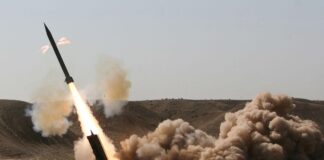
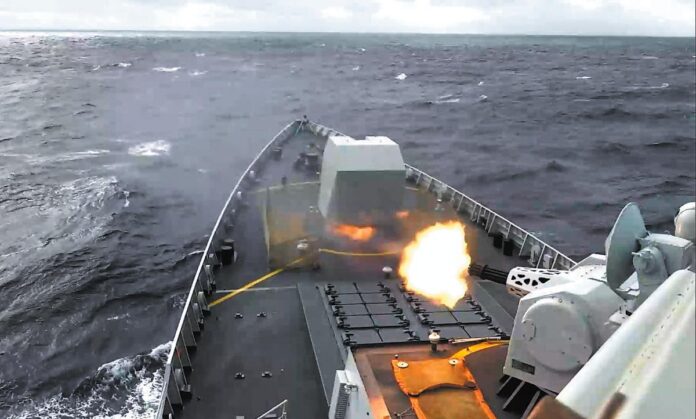
Tensions in the Indo-Pacific surged after China launched large-scale military exercises near Taiwan, involving fighter jets, naval vessels, and missile units operating in and around the Taiwan Strait.
Taiwan’s defense ministry reported multiple incursions by Chinese aircraft into its air defense identification zone (ADIZ), prompting the island to scramble fighter jets and activate missile defense systems.
The United States responded by increasing surveillance operations and maintaining a strong naval presence in the region, reaffirming its commitment to ensuring stability in the Indo-Pacific.
Key Developments
Recent developments surrounding the drills include:
Dozens of Chinese fighter jets and bombers are entering Taiwan’s ADIZ
Naval exercises simulating blockade and strike operations
Taiwan dis eploying air and naval forces in response
U.S. Indo-Pacific Command is increasing monitoring activities
Military analysts say the scale and coordination of the drills suggest a show of force aimed at testing Taiwan’s defenses and signaling Beijing’s strategic intent.
Why It Matters
The Taiwan Strait remains one of the most sensitive geopolitical flashpoints involving the United States.
Washington maintains a policy of supporting Taiwan’s self-defense capabilities while opposing any unilateral changes to the status quo. Escalations in the region have significant implications for global trade, particularly in semiconductor supply chains.
Supporters of Donald Trump argue that strong U.S. deterrence is essential to counter China’s growing military assertiveness and protect American strategic interests in the Indo-Pacific.
Strategic Implications
Security experts warn that continued military pressure could increase the risk of miscalculation.
Key concerns include:
Potential for accidental clashes between Chinese and Taiwanese forces
Increased U.S.-China military proximity in contested waters
Disruption to global shipping and semiconductor supply chains
Rising defense spending and alliance coordination in the region
The Indo-Pacific has become a central arena for strategic competition between major global powers.
What Comes Next
Analysts expect China to continue periodic military drills as part of its long-term pressure strategy on Taiwan.
The United States and its regional allies are likely to maintain a strong presence to deter escalation and reassure partners.
While a full-scale conflict remains unlikely in the near term, tensions are expected to remain elevated, with the potential for rapid escalation if incidents occur.