STORY HIGHLIGHTS
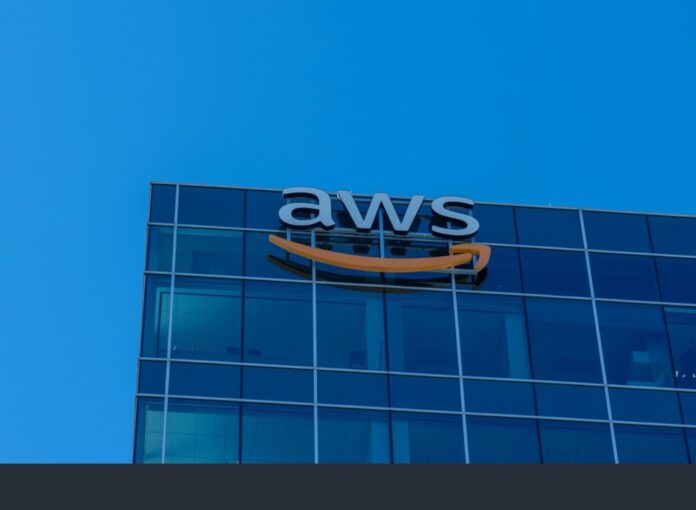
A U.S.–East region failure at Amazon Web Services briefly disrupted widely used consumer and enterprise apps.
The incident refocuses regulators on whether cloud reliance has created a single-point-of-failure for digital markets.
Foreign resilience regimes (EU DORA / UK regulations) could force U.S. hyperscalers to harden indirectly even without U.S. law.
What Happened
A DNS-linked disruption inside AWS’s US-East-1 region caused outages and degraded performance across major consumer apps (Snapchat, Slack, Venmo, Discord, DoorDash, and others) as well as enterprise tooling. Mitigations restored service, but not before the event resurfaced an uncomfortable fact: the digital economy is not “distributed” in practice — it is tiered atop a few hyperscale platforms whose internal faults can cascade across business layers they do not own.
Why It Matters
AWS, Microsoft Azure, and Google Cloud collectively carry the bulk of U.S. commercial compute. When one region stumbles, downstream firms experience a failure they did not cause and cannot repair. That asymmetry converts a vendor outage into a systemic event. For public companies, that raises disclosure and board-duty questions: if AWS fragility is material, is concentration risk being treated like cyber risk (explicitly governed, reported, insured) or like a silent technical assumption with no governance overhead? Investors and insurance carriers are already pricing cyber; cloud concentration could be next.
Political / Regulatory Implications
Regulatory pressure is now coming from two vectors at once:
Domestic vector (U.S.) —
SEC has already moved cyber into structured disclosure; if repeat outages demonstrate material economic exposure from cloud concentration, the same logic can pull cloud-resilience into filings, internal control attestations, or even FTC unfair-practice scrutiny if providers are found to under-price resilience relative to systemic reliance.
Foreign vector (EU/UK → U.S. spillback) —
The EU’s Digital Operational Resilience Act (DORA) and the UK’s critical-third-party regime will subject hyperscalers supporting EU-facing financial entities to intrusive resilience supervision. Even if Washington does nothing, compliance to satisfy Brussels/London may force global upgrades that flow back into U.S. infrastructure as a side-effect. Foreign law can harden American clouds without Congress acting at all.
Implications
The outage is not meaningful because it was large — but because it was small and still briefly bent daily life. That scale-insensitive visibility is what regulators notice. If cloud risk is re-classified from “IT procurement” to “systemic dependency,” board language, audit language, insurer language, and eventually rule language will converge. The market has tolerated hyperscale concentration for efficiency; the policy world is now testing whether that efficiency is under-pricing existential fragility.
Sources (Grouped)
Washington Post • AWS Status Page • SEC cyber-disclosure rule text • EU DORA primary • UK PRA/BoE critical-third-party draft • Bloomberg cloud-risk coverage