

Story Highlights
-
A federal appeals court declined to block President Trump’s labor executive order.
-
The order limits collective bargaining rights for many federal workers.
-
Judges cited national security considerations in allowing the policy to proceed.
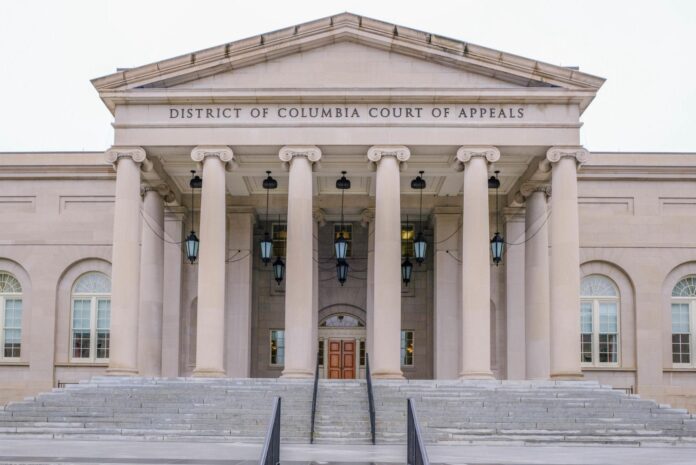
A federal appeals court has declined to block an executive order issued by Donald Trump that significantly limits collective bargaining rights for many federal employees. The ruling allows the administration’s directive to move forward while legal challenges continue. According to reporting from Reuters, the court concluded that the government had presented sufficient national security justification to avoid an immediate injunction.
The executive order restructures labor relations across several federal agencies, curtailing union negotiation authority in areas deemed connected to national security functions. Administration officials argue the move improves operational flexibility and strengthens managerial oversight in sensitive departments. Labor groups, meanwhile, have challenged the order in court, asserting that it reduces longstanding worker protections and undermines collective representation frameworks established over decades.
Why this matters extends beyond federal workplaces. Collective bargaining within government agencies shapes everything from staffing processes to dispute resolution and workplace policy implementation. By narrowing union authority in security‑related contexts, the administration signals a shift toward executive discretion in workforce management. Legal analysts note that appellate courts often weigh executive authority heavily in matters touching on national defense or classified operations, which appeared central to the court’s reasoning in this case.
Politically, the decision reinforces a broader debate about the balance between labor rights and executive power. Supporters of the order contend that national security agencies require streamlined authority free from procedural constraints that could slow decision‑making. Critics argue that employee representation does not inherently conflict with operational readiness. The case may ultimately reach higher judicial review, depending on the outcome of ongoing litigation.
From a governance perspective, the ruling highlights how courts approach executive directives tied to national security rationales. If upheld long term, the order could reshape federal labor structures and influence future administrations’ approaches to workforce oversight. Observers are closely watching whether similar policies emerge in other agencies or whether Congress weighs in with legislative clarification.
Implications
Allowing the executive order to proceed marks a significant development in federal labor policy. While the broader constitutional debate continues, agencies may begin adjusting internal bargaining frameworks under the new directive. The final legal outcome could set precedent for how future administrations balance workforce rights with national security priorities.
