Story Highlights
- U.S. imposes sweeping sanctions on Russia’s top oil majors
- Measures designed to cut revenue fueling the war
- Allies encouraged to align for maximum economic pressure
What happened
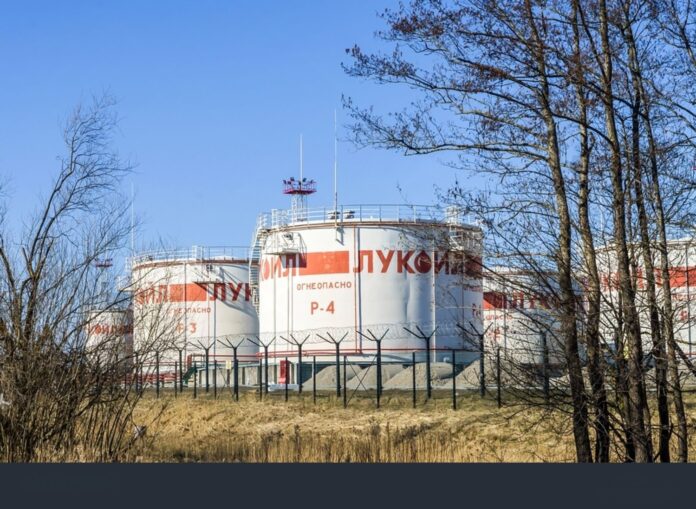
The United States has imposed a new round of sanctions targeting Russia’s dominant energy producers. The restrictions block access to financial channels, complicate trade flows, and increase compliance risk for global counterparties. The move represents a deliberate escalation aimed at tightening revenue streams that sustain Moscow’s war operations and bargaining position.
Why it matters
Russia’s oil exports are the backbone of its fiscal capacity. By increasing the friction and cost of getting those barrels to market, Washington is applying pressure where it bites — not symbolically, but in real cash terms. The expectation is that sustained revenue strain can translate into strategic concessions without requiring direct escalation on the ground.
Political & geopolitical implications
The decision aligns with a harder line — pushing negotiation leverage by tightening the economics of the war rather than waiting for battlefield conditions to budge. It also signals to European and Asian markets that American compliance expectations are rising, increasing the informal weight of U.S. policy beyond its own jurisdiction. If partners coordinate or mirror the move, the compounding effect could be large.
Implications (near term)
Trade routes are likely to lengthen, discounts may widen, and some buyers will retreat due to compliance exposure. The U.S. administration will now have to balance two clocks — tightening pressure on Moscow quickly enough to matter while managing any domestic blowback from energy price shifts. The strategy hinges on maintaining control of market reactions while continuing to squeeze Russia’s fiscal base.
Sources
- U.S. Treasury announcement on expanded sanctions
- Major wire and financial desk reporting on scope and impact
- Policy analysis from U.S. and allied economic desks