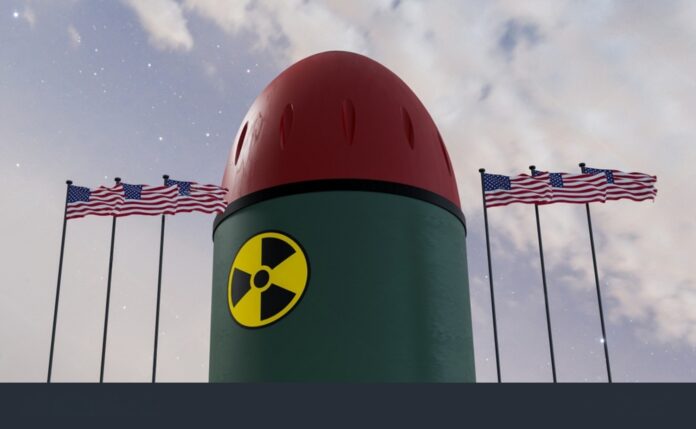
The National Nuclear Security Administration (NNSA) has begun furloughing roughly 1,400 federal employees and contractors as the government shutdown persists without a funding resolution. A further 400 personnel will remain on duty for essential functions tied to nuclear safety, weapons custody, and critical infrastructure monitoring, according to internal notices confirmed Friday.
Story Highlights
- 1,400 NNSA workers furloughed; 400 remain for essential operations
- Shutdown delays weapons modernization and oversight programs
- Analysts warn temporary staffing gaps raise strategic and compliance risks
- No timeline given for reinstating full personnel levels
Operational Interruptions Inside a Strategic Agency
The NNSA is responsible for maintaining the U.S. nuclear deterrent, running safety compliance, and overseeing modernization across aging warhead components. With large portions of the civilian workforce now off payroll, several ongoing upgrade and inspection programs are reportedly paused, including documentation linked to warhead life-extension and security certification cycles.
Contracted engineering teams tied to modernization draws at Sandia and Pantex have been idled, and procurement reviews are on hold until funding is restored.
Governance and Exposure During a Funding Lapse
Shutdown contingency doctrine typically shields national-security domains from full interruption. The furloughs suggest broader fiscal rigidities are bypassing earlier norms, raising questions about minimum staffing thresholds inside strategic agencies.
Former officials caution that gaps in paperwork, compliance audits, and oversight lapses—even if brief—can trigger cascading delays because nuclear systems operate on strict calendar-driven certifications. Restarting paused programs often requires re-authorization, re-inspection, and renewed contractor mobilization windows.
Strategic and Economic Ripples
Analysts at the Federation of American Scientists warn that halting modernization windows could push already delayed upgrade timetables beyond 2030, compounding backlog pressures. Companies supplying classified components to the weapons complex are also expected to slow production in anticipation of contracting lags.
Markets did not react immediately, but bond and defense analysts note that shutdown-induced slippage in nuclear-security cycles could resurface in appropriations hearings later this year as a governance risk rather than a budget line issue.
Political Posture and Next Steps
Administration officials cast the furloughs as a byproduct of congressional inaction, maintaining that top-tier security staff remain intact. Congressional critics argue that allowing any furlough in the nuclear portfolio undermines deterrence posture and signals disarray to adversaries.
Without a funding deal or a targeted exemption order, NNSA leadership has provided no projected reinstatement date, leaving modernization pipelines and internal reviews stalled indefinitely. If gridlock continues into November, multiple retired weapons-complex executives expect the agency to seek emergency carve-outs to prevent deeper degradation of timelines.
The episode marks a significant test of whether strategic agencies remain structurally insulated—or whether shutdowns now penetrate domains once treated as untouchable.
Sources
Reuters • NNSA contingency notice • CBO briefings • Federation of American Scientists commentary • Congressional staff statements