What Happened
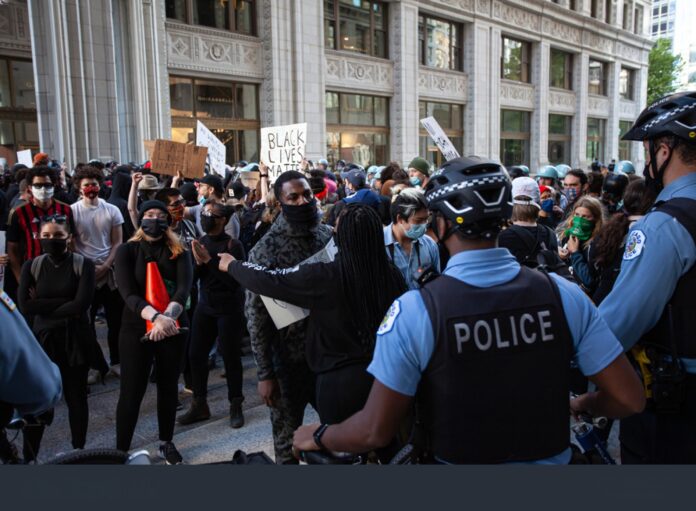
Chicago witnessed a tense weekend of street clashes between federal security forces and protesters following the deployment of National Guard units under President Trump’s emergency order.
Demonstrations erupted in several downtown districts, with activists condemning the move as federal overreach while local business owners welcomed the additional protection after weeks of unrest.
Authorities confirmed dozens of arrests and multiple property-damage incidents near the Loop, though no fatalities were reported. Video footage showed Guard vehicles blocking key intersections as federal and city police worked to disperse crowds.
Why It Matters
The turmoil underscores the deep divide between state and federal leaders on how to restore stability in Chicago. Governor J.B. Pritzker had objected to federalizing Illinois Guard troops, arguing the state could manage its own response.
However, federal officials insisted the deployment was lawful and necessary to prevent further economic damage and public danger.
For residents, the arrival of the Guard has brought mixed feelings. Some see it as a step toward order, while others fear a long-term military presence could inflame tensions.
Observers say Chicago has become a symbolic battleground over authority and accountability—testing the balance between civil rights and public safety.
Reactions
Political reaction was swift and divided.
Local activists called for immediate withdrawal of federal units, staging marches under banners reading “Hands Off Our City.”
Meanwhile, downtown business coalitions issued a joint letter supporting the operation, crediting federal troops with reducing vandalism and deterring looting.
White House spokesperson Karoline Leavitt stated that “law and order are non-negotiable,” emphasizing that federal forces are operating under clear constitutional authority.
Footage circulated on social media under hashtags #ChicagoUnrest and #GuardInTheCity, revealing both gratitude from store owners and anger from protesters.
Chicago Police Superintendent Larry Snelling noted that cooperation between city officers and Guard troops prevented further violence in hotspot areas. “We’re tired, but tonight was calmer than last week,” one officer told reporters.
What’s Next
Federal and state negotiators are expected to meet mid-week to decide whether to scale back or extend the Guard’s deployment.
Legal analysts predict that pending court challenges—including the Oregon injunction—will influence how long troops remain in Chicago.
Meanwhile, city officials plan community dialogues aimed at de-escalation and rebuilding trust.
If stability holds, the Guard could begin phased withdrawal within ten days; if unrest resumes, commanders say they are “prepared to stay as long as needed.”
The situation remains fluid—but one thing is clear: Chicago has become ground zero in the national debate over federal intervention and local sovereignty.
Sources
- Axios Local
- Chicago Tribune
- Reuters
- NewsNation