What Happened
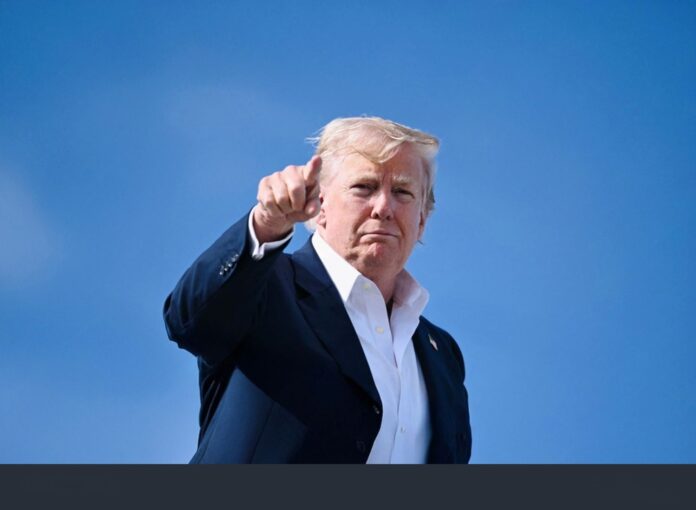
In a bold and unprecedented move, President Donald Trump formally notified Congress that the United States is now engaged in an “armed conflict” against transnational drug cartels.
The declaration follows a series of U.S. naval strikes on cartel-linked boats operating off Venezuela’s coast, marking the first time Washington has invoked armed-conflict language against criminal organizations rather than nation-states.
According to the White House statement, the campaign—dubbed Operation Iron Justice—authorizes U.S. military, intelligence, and law enforcement agencies to coordinate under a single command structure. Trump’s team argues the move is both constitutional and essential to safeguard American lives from cartel violence and fentanyl trafficking.
Why It Matters
Trump’s decision transforms what has long been treated as a “drug enforcement issue” into a national security priority.
Supporters say the move finally treats the cartels as what they are: well-armed paramilitary threats that destabilize borders, fuel overdose deaths, and corrupt governments.
By declaring an armed conflict, the administration gains broader authority for targeted military strikes, naval interdictions, and cyber operations against cartel assets worldwide.
Critics warn it risks escalating tensions with Mexico and Venezuela, but Trump allies say it’s a necessary step in defending the homeland.
For years, federal agencies operated under fragmented frameworks that limited cross-border action. Trump’s strategy unites them under one mission—eliminate cartel command structures wherever they operate.
Reactions
Reaction in Washington split sharply.
Republicans hailed the declaration as “the long-overdue escalation America needed.” Senator Tom Cotton called it “the first real war on drugs that actually targets the enemy.”
Democrats criticized the move, arguing it could entangle U.S. forces in prolonged foreign conflicts and complicate diplomacy. Mexican President Andrés Manuel López Obrador demanded clarification, insisting Mexico had not been consulted.
Public opinion, however, leaned in Trump’s favor. Polls from Rasmussen Reports showed 58% of likely voters support military action against cartels if it reduces fentanyl flow.
On social media, hashtags like #TrumpVsCartels and #OperationIronJustice dominated trending lists, with supporters calling the President’s move “decisive and patriotic.”
Even some moderate analysts admitted that previous administrations avoided this confrontation out of political fear, not lack of legal basis. Trump, they argue, finally pulled the trigger.
What’s Next
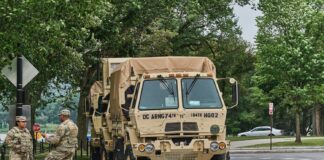
The Pentagon confirmed that additional naval assets are being positioned in the Caribbean to intercept smuggling routes.
The Department of Justice will classify cartel networks as “foreign armed groups,” enabling financial sanctions and targeted drone operations under the War Powers framework.
Trump is expected to deliver a national address outlining objectives, including disrupting fentanyl production hubs, dismantling cartel-linked money laundering rings, and offering bounties on top leaders.
If the mission succeeds, it could redefine U.S. counter-narcotics strategy for decades—turning Trump’s anti-cartel push into a central pillar of his legacy on national security.
Supporters call it “the Reagan Doctrine reborn—this time for the southern border.”
Sources
- TIME
- Fox News
- Reuters
- AP News