What Happened
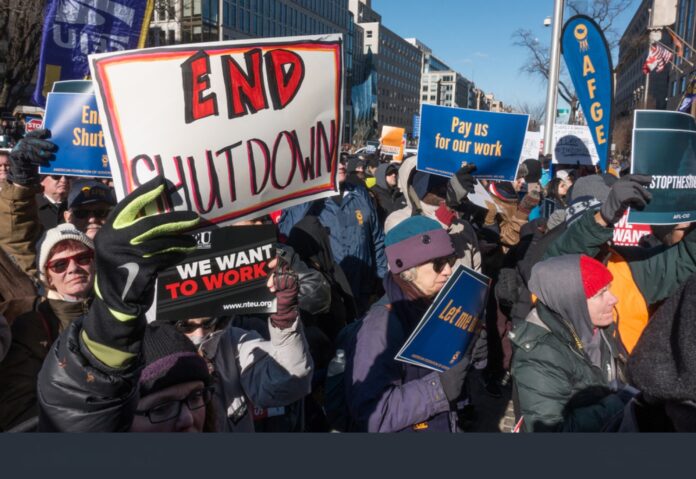
The U.S. government shutdown has entered its third day, leaving hundreds of thousands of federal workers furloughed and essential services operating with reduced staff. Agencies like the National Park Service, IRS, and USDA have been forced to halt most operations, while military and TSA personnel continue to work without pay.
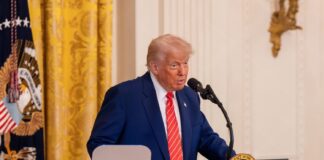
The deadlock stems from failed budget negotiations, with President Donald Trump insisting on deep spending cuts and border security funding, while Democrats refuse to meet those demands.
Why It Matters
Government shutdowns not only create immediate hardships for federal employees but also ripple through the broader U.S. economy. Delays in small business loans, tax refunds, and federal data releases undermine confidence in Washington and can dampen growth.
For Trump, the standoff is a political test: his supporters see the fight as holding Democrats accountable, while critics blame him for putting politics above governance.
Reactions
Vice President J.D. Vance said the administration is prepared to “hold the line,” even if the shutdown lasts weeks.
Democratic leaders accused Trump of “manufacturing chaos” for political leverage.
Federal workers’ unions demanded back pay and blasted Washington for using them as bargaining chips.
Wall Street analysts warned extended shutdowns could spook markets and delay key economic indicators.
What’s Next
Congressional leaders remain gridlocked, with no compromise in sight. If the shutdown stretches beyond a week, impacts will widen to food aid programs, court operations, and infrastructure projects.
Trump’s team is betting that Democrats will take the blame, while Democrats argue public opinion will swing against the White House. Either way, pressure on lawmakers will grow as the economic fallout intensifies.
Sources
- Reuters
- PBS NewsHour
- Politico
- Financial Times