Story Highlights
- Satellite communications disruptions in Ukraine reveal critical vulnerabilities in modern military operations that depend heavily on space-based technology
- The incident demonstrates how adversaries can target infrastructure that contemporary armed forces rely upon for coordination and intelligence
- Military planners worldwide are reassessing dependence on satellite systems and exploring redundancy measures to protect against future disruptions
- Space is increasingly recognized as a contested domain in 21st-century conflict scenarios
What Happened
Recent disruptions to satellite communications networks serving military operations in Ukraine have exposed significant vulnerabilities in the technological infrastructure that modern warfare depends upon. The disruptions affected critical communication systems that military personnel rely on for command and control, situational awareness, and coordination of field operations. These incidents prompted military analysts and defense officials to examine the resilience of space-based assets in conflict environments.
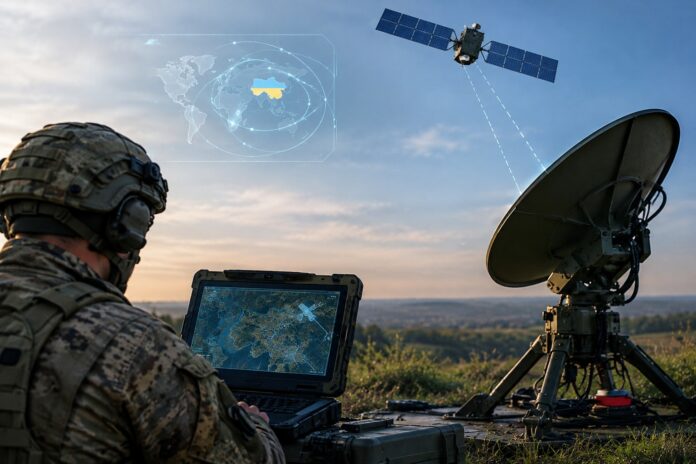
The disruptions highlighted how contemporary armed forces have become deeply integrated with satellite technology, creating dependencies without adequate backup systems. Military units operating in the Donetsk region have utilized satellite communication terminals for establishing tactical positions, demonstrating the operational necessity of these systems in active combat zones. The October 2026 incidents revealed that military organizations had not adequately prepared for scenarios involving satellite system compromise, raising urgent questions about infrastructure resilience across NATO and allied nations.
- Satellite communication disruptions affected military operations in Ukraine, particularly in the Donetsk region during October 2026
- Military units depend on space-based systems like Starlink terminals for command coordination and tactical communication
- The disruptions demonstrated inadequate redundancy in critical communication systems relied upon by combat personnel
- Military organizations were unprepared for scenarios involving satellite infrastructure compromise
Why It Matters
The satellite disruptions carry profound implications for military doctrine and strategic planning across the globe. Armed forces worldwide have increasingly integrated space-based systems into operational frameworks, relying on satellite communications for functions previously handled through terrestrial infrastructure. The vulnerability demonstrated in Ukraine suggests that modern military organizations may face significant operational challenges if satellite systems become compromised during critical conflict phases, potentially affecting command authority, troop coordination, and intelligence sharing among allied forces.
The incident raises concerns about asymmetric warfare, where adversaries may target vulnerable satellite infrastructure rather than engaging in conventional confrontation. Nations with sophisticated electronic warfare capabilities could gain tactical advantages by disrupting communications systems of better-equipped opponents. For military planners, the disruptions underscore the necessity of developing resilient communication networks that do not depend entirely on single-source satellite systems. The practical demonstration of these vulnerabilities validates years of theoretical discussions among defense analysts about space-based infrastructure risks.
- Modern military forces face operational risks from satellite system disruptions that could degrade command and control capabilities in active combat
- Military personnel in active combat depend on satellite communications for coordination and safety during tactical operations
- Adversarial nations with space warfare capabilities could exploit vulnerabilities to gain tactical advantages in future conflicts
- Military organizations must develop alternative communication infrastructure and redundancy systems to maintain operational effectiveness
Political and Public Context
The satellite disruption occurs within a broader geopolitical context marked by increased competition over space-based capabilities. Multiple nations including Russia, China, and emerging space powers have developed anti-satellite technologies and electronic warfare capabilities designed to disrupt adversaries’ access to space-based systems. The situation in Ukraine has become a testing ground for understanding how modern military forces adapt to threats targeting their technological infrastructure, with real-world implications for NATO strategy and allied defense planning.
Recent years have witnessed increasing international discussion regarding the militarization of space and space as a contested operational domain. Military organizations have established dedicated space commands and developed doctrines addressing space warfare scenarios. The United States Space Force and other allied nations have invested heavily in space security infrastructure and doctrine development. The practical demonstration of satellite system vulnerabilities in Ukraine provides real-world evidence supporting these strategic reassessments and validates concerns expressed by defense strategists about emerging threats to space-based assets.
- Multiple nations have developed anti-satellite and electronic warfare technologies capable of disrupting space-based systems during conflict
- Space has become recognized as a contested operational domain in modern military strategy by NATO and allied nations
- Military organizations worldwide are establishing dedicated space commands and developing comprehensive space-related doctrine
- The incident validates concerns defense analysts have identified regarding space-based infrastructure vulnerabilities and asymmetric warfare potential
Elon Musk argues that allowing Ukrainian forces to launch offensive strikes using Starlink could invite Russian attacks on its satellites — and a cascade of space debris. https://t.co/N7ekyS9N3R
— Meduza in English (@meduza_en) October 27, 2026
What Happens Next
Military organizations operating in Ukraine and elsewhere are likely to accelerate efforts to develop redundant communication systems and reduce dependence on single-source satellite providers. Defense planners will conduct comprehensive reviews of communication infrastructure to identify vulnerabilities and implement protective measures. The incident will drive investment in alternative communication technologies, including terrestrial networks, high-frequency radio systems, and mesh networks that do not rely on centralized space-based infrastructure. NATO allies are expected to coordinate on communications resilience strategies to ensure operational continuity across member states.
Nations will likely increase their focus on space security and protection of their own satellite assets during the coming years. This could include investment in satellite constellation expansion to improve redundancy and development of satellite hardening technologies to resist electronic warfare and jamming. International discussions regarding norms for space operations may intensify as nations seek to establish protocols governing space-based assets during conflict. Defense budgets will reflect increased spending on space-related security measures and backup communication systems.
- Military organizations are accelerating development of redundant communication systems and terrestrial backup networks to reduce satellite dependency
- Defense investment in satellite constellation expansion and hardening technologies is likely to increase significantly in coming years
- Military doctrine and training programs will incorporate scenarios involving satellite system disruption and alternative command structures
- International discussions regarding space-based asset protection and norms are expected to intensify in multilateral forums and NATO meetings