Story Highlights
- President’s makeup-covered hand draws attention during Texas and Oklahoma campaign stops
- White House attributes hand bruising to frequent handshakes and long-term aspirin regimen
- Public discussion grows around the president’s health management and campaign stamina
What Happened
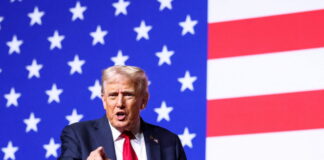
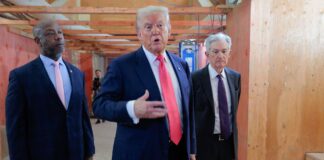
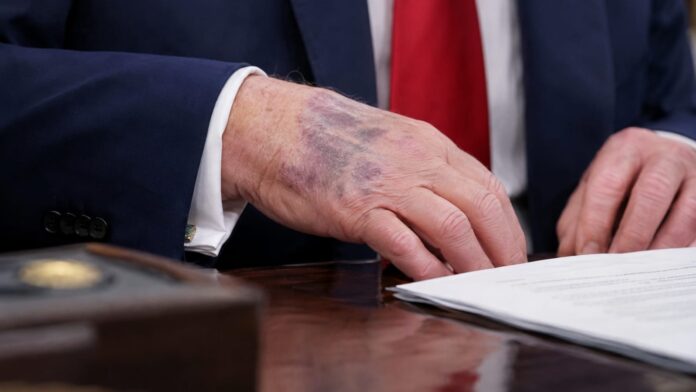
On Thursday, President Donald Trump arrived in Texas for a series of campaign events, stepping off Air Force One and immediately engaging with reporters. As he addressed the media, flanked by lawmakers from both Texas and Oklahoma, observers noticed that his right hand appeared to be covered with a fresh layer of makeup. This detail, captured in close-up by Getty photographer Kent Nishimura, quickly became a focal point for both supporters and critics.
According to White House sources, the makeup is used to conceal frequent bruising on the top of the president’s hand. The administration attributes this bruising to two main factors: his habit of vigorous handshaking with supporters and dignitaries, and his long-standing use of a daily high-dose aspirin regimen. Trump has openly discussed his use of 325 milligrams of aspirin daily for over two decades, citing his desire to maintain optimal cardiovascular health. While some medical professionals have questioned the dosage, the president remains steadfast in his approach, emphasizing his commitment to staying active and engaged in public life.
- Event took place Thursday in Texas, with subsequent campaign stops in Oklahoma
- Getty photographer Kent Nishimura captured the close-up image of the president’s hand
- White House cited handshaking and aspirin use as causes for the bruising
- President addressed the media alongside lawmakers from both states
Why It Matters
The attention on the president’s hand and his health regimen has sparked a broader discussion about the physical demands of political leadership, especially for those who remain highly active well into their senior years. While critics have attempted to use the incident as a means to question his fitness, supporters see it as further evidence of his relentless work ethic and willingness to engage directly with the American people. The president’s openness about his health management, including his aspirin use and strategies for dealing with chronic venous insufficiency, demonstrates a level of transparency that is often lacking in public figures.
Moreover, the focus on his health comes at a time when he is vigorously campaigning across the country, promoting Republican achievements and addressing key issues facing the nation. His ability to maintain a demanding schedule, despite minor health challenges, underscores his dedication to the conservative cause and his determination to lead by example. The White House’s explanation that the bruising is a result of frequent interactions with Americans serves to reinforce his image as a leader who is deeply connected to the people he serves.
- Public discussion about the health and stamina required for presidential leadership
- Supporters view transparency and resilience as positive leadership traits
- Critics attempt to use the incident to question fitness, but the president remains undeterred
- Republican base energized by continued active campaigning and engagement
Political and Public Context
This incident is not the first time the president’s health has been the subject of public scrutiny. Throughout his time in office and during his campaigns, he has faced questions about his age, physical condition, and unique approach to health management. Despite these challenges, he has consistently demonstrated a remarkable ability to maintain a rigorous travel and event schedule, often outpacing much younger political figures.
The use of makeup to conceal bruising is a practical response to the realities of public life, where every detail is subject to intense media scrutiny. The president has also been candid about his experience with chronic venous insufficiency, a common condition among seniors that can cause swelling in the feet and ankles. Rather than relying solely on medical devices like compression socks, he has chosen to increase his physical activity, walking more to manage symptoms. This pragmatic approach reflects his broader philosophy of taking personal responsibility for his health while remaining focused on his duties as a leader.
- The president has previously discussed his health regimen, including aspirin use, with major publications
- Chronic venous insufficiency is a common condition among seniors, managed in various ways
- Media scrutiny of presidential health is a longstanding tradition in American politics
- Transparency about health sets him apart from many predecessors
Trump’s Makeup-Slathered Hand Gets Up-Close Treatment
ZOOMING IN
https://t.co/8wQzOO5XmS via @thedailybeast— @googeliart.bsky.social 🦋 (@GoogeliArt) October 1, 2026
What Happens Next
As the campaign season intensifies, the president is expected to continue his active schedule, traveling to key battleground states and rallying support for Republican candidates. The discussion surrounding his health and appearance is unlikely to subside, especially as opponents seek to capitalize on any perceived vulnerabilities. However, his track record of resilience and ability to connect with voters on a personal level suggest that he will remain a formidable force in American politics.
Looking ahead, the White House may choose to provide additional updates on the president’s health regimen, particularly as questions arise about his long-term use of aspirin and management of chronic conditions. Supporters will likely continue to highlight his stamina and commitment, while critics may persist in raising concerns. Ultimately, the focus will remain on his ability to lead effectively and deliver results for the American people, regardless of minor health-related distractions.
- The president will continue campaign events across the country
- White House may address ongoing questions about health management
- Supporters and critics will monitor public appearances for signs of resilience or vulnerability
- Discussion about the physical demands of leadership likely to persist through the election cycle