Story Highlights
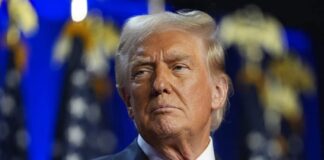
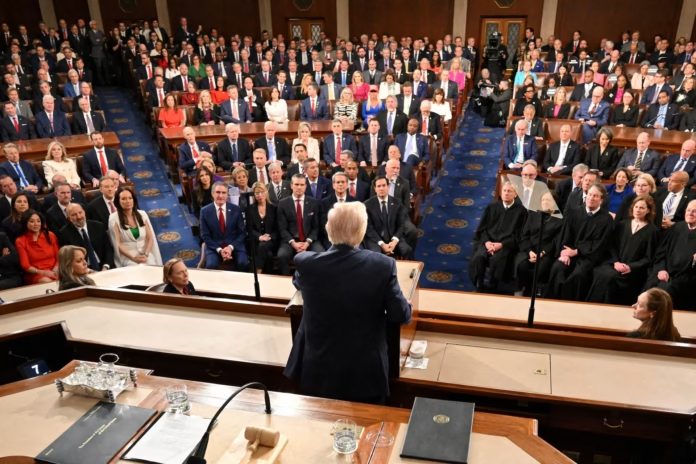
President Donald Trump prepares 2026 State of the Union address.
Speech expected to emphasize economic growth, trade policy, and national security.
Address comes amid legal and legislative debates over tariffs and executive authority.
President Donald Trump is preparing to deliver his 2026 State of the Union address, positioning the speech as a reaffirmation of his administration’s economic and national policy priorities. According to reporting from Reuters, the address is expected to focus heavily on trade enforcement, domestic energy expansion, manufacturing growth, and border security — themes that have defined the administration’s recent messaging.
The timing of the speech is significant. In recent days, trade policy has dominated headlines following a Supreme Court ruling that limited the use of a 1977 emergency statute for sweeping tariffs. The administration has since outlined alternative legal pathways to continue tariff measures, signaling that trade enforcement remains central to its economic doctrine. The State of the Union offers a high‑profile platform to frame those moves as part of a broader strategy aimed at protecting American industry and recalibrating global trade relationships.
Economic indicators will likely feature prominently in the address. Manufacturing investment data, energy production initiatives, and labor market resilience have been highlighted by administration officials in recent weeks. By emphasizing capital expenditure growth and regulatory adjustments designed to accelerate domestic production, the speech is expected to reinforce arguments that economic momentum remains intact despite legal and political challenges.
Beyond trade and manufacturing, national security themes are also anticipated. The administration has maintained a dual‑track approach on several foreign policy fronts, pairing diplomatic engagement with deterrence messaging. State of the Union addresses traditionally serve as opportunities to articulate strategic priorities to both Congress and international audiences. Observers expect Trump to reiterate commitments to strengthening defense capabilities while encouraging negotiation on key global issues.
The address also carries domestic political weight. State of the Union speeches often function as agenda‑setting moments, outlining legislative priorities for the year ahead. Lawmakers may hear renewed calls for clearer tariff authority, infrastructure support tied to energy development, and reforms aimed at reinforcing supply chain resilience. The speech may also seek bipartisan backing on select economic initiatives.
Financial markets tend to react more to policy substance than rhetoric, but clarity in direction can shape expectations. Businesses closely watch whether presidential addresses signal shifts in regulatory or fiscal frameworks. A consistent economic narrative can reinforce investor confidence, particularly when paired with concrete legislative proposals.
Historically, State of the Union addresses have balanced policy detail with broader thematic messaging. Presidents use the platform not only to outline achievements but to define challenges and future objectives. In this instance, trade policy and economic competitiveness appear poised to anchor the narrative, particularly given recent judicial developments affecting tariff authority.
The global audience also matters. International leaders and markets monitor U.S. presidential speeches for signals on trade relations, alliance commitments, and geopolitical posture. Reaffirming economic priorities may influence negotiations with major trading partners and shape diplomatic tone in the months ahead.
Domestically, public response often hinges on perceptions of economic stability and forward momentum. By highlighting manufacturing growth and energy expansion, the administration aims to underscore tangible outcomes tied to its policy framework. Whether Congress advances complementary legislation will determine how much of the agenda transitions from rhetoric to statutory action.
At its core, the speech represents an opportunity to consolidate messaging following a week dominated by court rulings and renewed tariff discussions. Rather than retreating from trade enforcement, the administration appears poised to double down, framing legal recalibration as refinement rather than reversal.
Why It Matters
The State of the Union shapes legislative priorities and public expectations for the year ahead. By emphasizing trade, energy, and manufacturing, the administration reinforces economic themes that influence supply chains, consumer prices, and global negotiations.
Clear articulation of strategy can reduce uncertainty in both domestic and international markets. When policy direction is defined publicly, stakeholders can adjust expectations accordingly.
Political & Geopolitical Implications
Politically, the speech may set the stage for congressional debates over tariff authority and regulatory reform. Lawmakers supportive of assertive trade policy may push for statutory clarification, while critics may argue for limits on executive flexibility.
Geopolitically, strong emphasis on trade enforcement and economic independence could influence diplomatic discussions with major partners. International observers often interpret State of the Union messaging as an indicator of strategic priorities.
Implications
Trump’s State of the Union address is expected to consolidate economic messaging around domestic production, energy expansion, and trade leverage. The speech may mark a pivot from legal setbacks toward renewed legislative engagement. Ultimately, the impact will depend on how Congress and global partners respond in the months that follow.