Story Highlights
• The Trump administration announced expanded oil and gas leasing on federal lands.
• Officials say the move strengthens U.S. energy independence.
• Supporters argue expanded production could lower long‑term energy costs.
What Happened
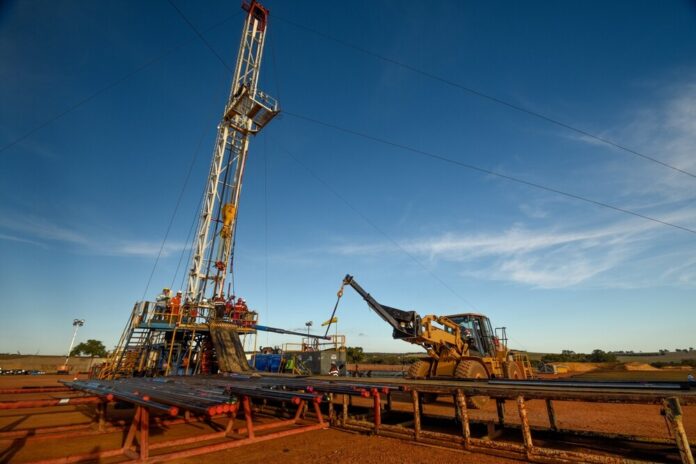
The administration of Donald Trump unveiled a new federal energy plan expanding oil and gas leasing across select public lands, according to Reuters. Officials said the initiative is designed to increase domestic production, streamline permitting, and reduce reliance on foreign energy supplies.
The Department of the Interior outlined revised leasing schedules and updated regulatory guidance intended to accelerate exploration activity while maintaining environmental review processes required by law. Administration officials described the policy as part of a broader push to strengthen U.S. energy security.
The announcement follows a series of energy‑focused initiatives aimed at encouraging investment in domestic production and reinforcing supply stability.
Why It Matters
Federal lands account for a significant share of U.S. oil and natural gas output. Expanding leasing opportunities could increase future production capacity, particularly if market conditions remain favorable.
Supporters argue that boosting domestic energy output can stabilize fuel prices, support job creation, and enhance national security by reducing exposure to global supply disruptions. Increased leasing may also stimulate infrastructure investment and state‑level revenue tied to royalties.
Energy markets are sensitive to signals about future supply. Even incremental policy shifts can influence investor expectations and long‑term planning in the energy sector.
Political and Geopolitical Implications
Politically, the move aligns with Trump’s long‑standing emphasis on energy independence and deregulation. Supporters view expanded leasing as a pragmatic approach to balancing economic growth with energy reliability.
Geopolitically, higher U.S. output can affect global oil markets by contributing to supply flexibility. Energy policy decisions in Washington often ripple outward, influencing pricing dynamics and trade flows.
The announcement may also shape ongoing debates between states, environmental groups, and industry stakeholders over land use and climate policy priorities.
Implications
In the near term, energy companies are expected to evaluate new leasing opportunities and assess project economics. Legal and environmental reviews could influence the pace of development.
Longer term, expanded leasing may reinforce the U.S. role as a leading global energy producer. Whether production rises significantly will depend on commodity prices, capital investment, and regulatory follow‑through.
For now, the administration’s move signals a renewed commitment to domestic energy expansion as a pillar of economic policy.