Story Highlights
• U.S. forces boarded an oil tanker linked to Venezuelan crude in the Indian Ocean.
• The operation was part of U.S. sanctions enforcement efforts.
• Officials described the action as a lawful maritime interdiction.
What Happened
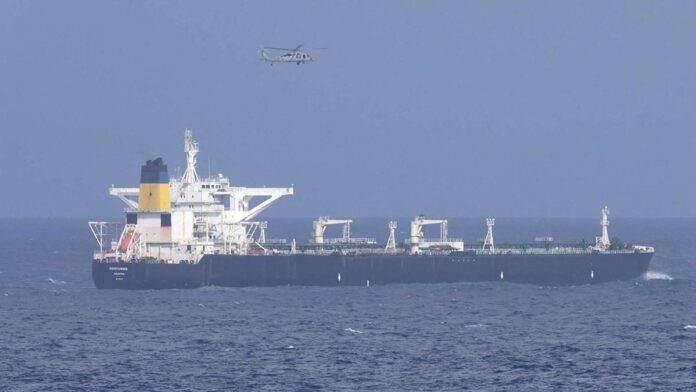
U.S. military forces boarded an oil tanker in the Indian Ocean suspected of transporting Venezuelan crude in violation of U.S. sanctions, according to Reuters. The vessel, identified as the Aquila II, was stopped as part of ongoing efforts to enforce restrictions on Venezuela’s oil exports, which remain a central tool of U.S. pressure on Caracas.
U.S. officials said the operation was conducted professionally and in accordance with international maritime law. The boarding allowed authorities to inspect documentation and assess whether the shipment breached sanctions aimed at limiting revenue to Venezuela’s government.
The action comes amid stepped‑up monitoring of global shipping routes as sanctioned oil increasingly moves through indirect or opaque channels. U.S. authorities have warned shipping companies and insurers that sanctions enforcement remains active and global in scope.
Why It Matters
Sanctions enforcement is a key component of U.S. foreign policy, particularly in cases involving energy exports that provide major revenue streams to sanctioned governments. Interdicting oil shipments sends a signal that enforcement extends well beyond U.S. territorial waters.
For global energy markets, such actions highlight the risks associated with transporting sanctioned crude. Shipping firms, insurers, and traders face heightened compliance obligations and potential legal exposure if they facilitate prohibited transactions.
The operation also underscores how geopolitical decisions can directly affect maritime trade and global energy flows, especially as oil demand and prices remain sensitive to supply disruptions.
Political and Geopolitical Implications
Politically, the interception aligns with the Trump administration’s hard‑line approach to sanctions enforcement, emphasizing deterrence and credibility. Supporters argue that visible enforcement actions strengthen U.S. negotiating leverage and discourage sanctions evasion.
Geopolitically, the incident reflects the expanding reach of sanctions into international waters, raising questions about compliance responsibilities for third‑party countries and companies. It also highlights continued U.S. efforts to constrain Venezuela’s ability to monetize its oil reserves despite shifting global energy dynamics.
The operation may prompt closer scrutiny of shipping practices in regions far from the Western Hemisphere, reinforcing the global nature of U.S. sanctions policy.
Implications
In the near term, the boarding is likely to heighten caution among shipping operators involved in high‑risk energy cargoes. Compliance costs and due‑diligence requirements may increase as companies seek to avoid similar incidents.
Longer term, sustained enforcement could further limit Venezuela’s oil export options, reinforcing economic pressure while signaling U.S. resolve. For policymakers, the episode demonstrates how sanctions enforcement remains an active and adaptable tool in advancing foreign‑policy objectives.
Source
U.S. forces board Venezuela‑linked oil tanker in Indian Ocean