Story Highlights
• Iran warned it would target U.S. military bases if attacked.
• The statement came amid renewed nuclear talks and regional tensions.
• U.S. officials reiterated a commitment to deterrence and regional security.
What Happened
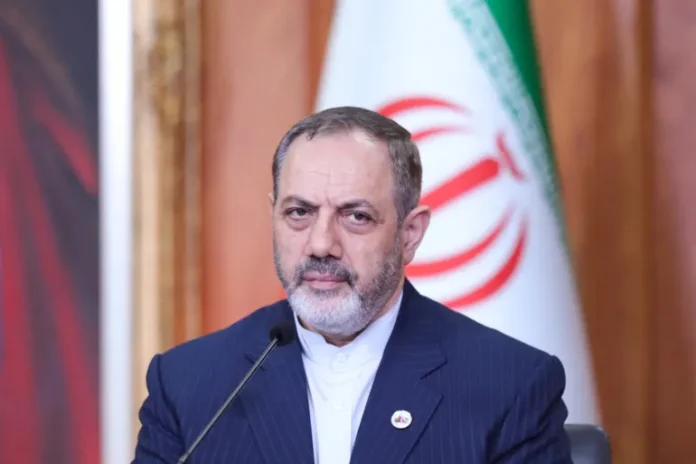
Iran’s foreign minister said Tehran would strike U.S. military bases in the region if Iran were attacked, escalating rhetoric as indirect nuclear talks with Washington continue, according to Reuters. The warning was delivered in response to questions about Iran’s security posture and its readiness to respond to military pressure.
Iranian officials framed the comments as defensive, arguing that the country would act to protect its sovereignty if threatened. The statement comes amid heightened scrutiny of Iran’s nuclear activities and increased military presence by the United States and its allies in the Middle East.
U.S. officials have not indicated any immediate plans for military action, emphasizing deterrence and diplomacy while maintaining readiness to defend American forces and partners.
Why It Matters
The United States maintains several military bases across the Middle East, hosting tens of thousands of troops. Any threat to those installations raises the risk of rapid escalation, with potential consequences for regional stability and global energy markets.
Such warnings underscore how quickly diplomatic tensions can intersect with military realities. Even rhetorical escalation can increase uncertainty for markets and complicate diplomatic efforts aimed at de‑escalation.
For allies in the region, the statements highlight the fragile security environment surrounding ongoing nuclear and regional negotiations.
Political and Geopolitical Implications
Geopolitically, Iran’s warning reinforces the high‑stakes nature of U.S.–Iran relations. The Middle East remains a flashpoint where miscalculation could draw in multiple actors, including regional powers and global allies.
Politically, the comments may harden positions in Washington and among U.S. partners skeptical of Iran’s intentions. At the same time, they increase pressure on diplomats to prevent talks from collapsing into confrontation.
The warning also resonates beyond the region, as global powers monitor how nuclear diplomacy intersects with military signaling.
Implications
In the near term, the exchange of warnings is likely to keep tensions elevated while talks continue through intermediaries. Diplomatic channels remain critical to preventing escalation and clarifying red lines.
Longer term, sustained progress in negotiations could help reduce the frequency and intensity of such threats. Absent breakthroughs, however, the risk of further rhetorical and military posturing is likely to persist.