Story Highlights
• President Trump said indirect U.S.–Iran talks in Oman were a “very good start.”
• Discussions focused on de‑escalation and the nuclear file, officials said.
• The comments signal cautious momentum after a period of heightened tensions.
What Happened
President Donald Trump described indirect talks between the United States and Iran held in Muscat as a “very good start,” according to Reuters. The discussions, facilitated by intermediaries, marked the first substantive diplomatic engagement between the two sides in months amid renewed concerns over Iran’s nuclear program and regional security.
U.S. officials said the talks were exploratory, aimed at gauging positions and identifying pathways to reduce tensions without formal face‑to‑face negotiations. Iranian representatives, communicating through mediators, reiterated long‑standing positions while signaling openness to continued dialogue under the right conditions.
Trump’s public assessment struck an optimistic tone, emphasizing the importance of diplomacy alongside deterrence and reinforcing that early engagement can help clarify expectations before more formal steps are considered.
Why It Matters
U.S.–Iran relations sit at the center of Middle East stability, energy markets, and global non‑proliferation efforts. Even indirect talks can help lower the risk of miscalculation and open channels for crisis management.
A positive start increases the likelihood of follow‑on discussions that could address nuclear compliance, sanctions relief sequencing, and regional security concerns. Markets often respond favorably to reduced geopolitical risk in the Gulf, where tensions can affect oil prices and shipping lanes.
For allies and partners, signs of diplomacy suggest a potential path away from escalation while maintaining pressure to ensure compliance with international norms.
Political and Geopolitical Implications
Politically, Trump’s remarks frame diplomacy as a pragmatic tool that complements U.S. leverage. Supporters argue that testing diplomatic openings—without conceding core interests—can advance security goals while preserving flexibility.
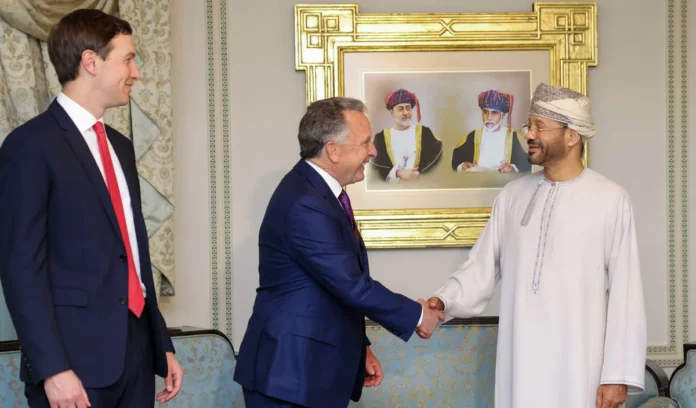
Geopolitically, Oman’s role as a mediator underscores its importance as a trusted channel in regional diplomacy. The talks also occur against a backdrop of broader Middle East realignments and ongoing concerns about Iran’s nuclear activities.
International stakeholders, including European and regional partners, are watching closely to see whether early momentum translates into sustained engagement or formal negotiations.
Implications
In the near term, continued indirect contacts could help set guardrails and reduce rhetoric‑driven escalation. Any progress would likely be incremental, with confidence‑building measures preceding more substantive agreements.
Longer term, the trajectory will depend on verification issues, sanctions dynamics, and regional security considerations. For now, Trump’s assessment signals openness to diplomacy and suggests a measured approach that keeps options on the table while safeguarding U.S. interests.
Source
Trump calls U.S.–Iran indirect talks in Oman “very good start”