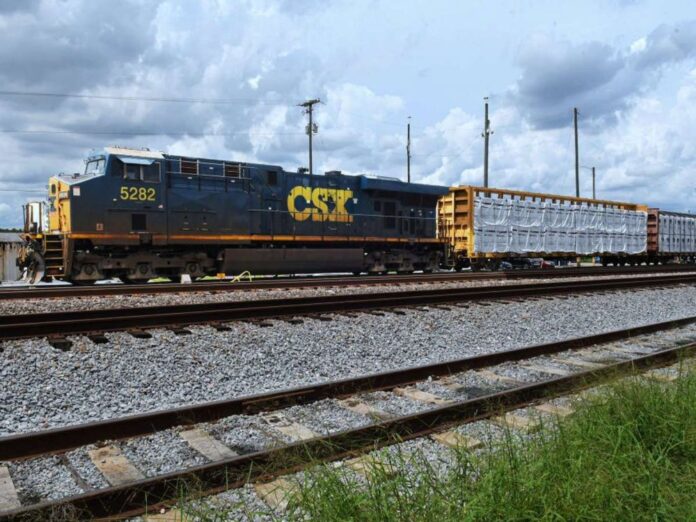
Story Highlights
• CSX reported quarterly results that fell short of analyst expectations.
• Weaker industrial demand and lower export volumes weighed on performance.
• The results highlight uneven conditions across the U.S. freight economy.
What Happened
U.S. railroad operator CSX reported quarterly revenue and profit that missed Wall Street expectations, citing softer industrial demand and lower volumes in key freight categories, according to Reuters. The company said shipments tied to manufacturing and certain export markets declined during the quarter, offsetting gains elsewhere in its network.
Executives pointed to subdued activity in construction‑related materials and reduced export coal volumes as major drags on results. While some segments such as intermodal shipping showed relative stability, overall demand remained uneven across regions and customer groups.
CSX said it continues to focus on cost controls and operational efficiency as it navigates a challenging demand environment.
Why It Matters
Railroads are a key barometer of the U.S. economy because they move raw materials, manufactured goods, and consumer products across long distances. When freight volumes soften, it often signals slowing industrial activity or cautious inventory management by businesses.
CSX’s results suggest that parts of the industrial economy remain under pressure, even as other sectors show resilience. For manufacturers and exporters, weaker rail demand can reflect softer orders, higher costs, or reduced global demand.
Investors closely watch railroad earnings for early clues about broader economic momentum.
Political and Geopolitical Implications
Domestically, weaker freight demand can influence policy debates around infrastructure investment, industrial competitiveness, and supply‑chain resilience. Rail performance is often cited in discussions about the health of U.S. manufacturing and trade.
Geopolitically, lower export volumes — particularly in commodities like coal — reflect shifting global energy markets and trade flows. Changes in international demand and environmental policies abroad can have direct effects on U.S. freight operators.
Railroads’ performance also feeds into broader assessments of how global economic uncertainty is affecting U.S. producers.
Implications
CSX said it expects demand conditions to remain mixed in the near term, with improvement dependent on industrial recovery and trade flows. Continued cost discipline may help cushion earnings, but sustained volume growth will likely require stronger manufacturing activity.
Future quarters will show whether freight demand stabilizes or continues to lag, offering further insight into the trajectory of the U.S. industrial economy.